AI-Generated Content — Research-backed, not based on personal experience
This post contains affiliate links. We may earn a commission at no extra cost to you.
7 Best Hardware Crypto Wallets for Maximum Security in 2026
Compare top hardware crypto wallets in 2026. From Tangem's NFC cards to Trezor's latest models, find the best cold storage for your crypto security needs.
The crypto security world shifted dramatically after the FTX collapse, with The Block reporting that wallets balancing accessibility with strong security practices now perform best. Hardware wallets have evolved beyond simple USB sticks into sophisticated security devices with biometric authentication, NFC capabilities, and multi-chain support that would have seemed like science fiction just five years ago.
Look, I get it. The sheer number of hardware wallet options in 2026 can be overwhelming.
Between legacy brands pushing premium redesigns, newcomers with radical form factors, and the constant stream of security vulnerabilities making headlines, choosing the right cold storage device feels like defusing a bomb while blindfolded. But market data shows the real picture: hardware wallets remain the gold standard for crypto security, with the best models offering protection that software wallets simply cannot match.
This guide cuts through the marketing noise to focus on what actually matters for crypto security in 2026. I've analyzed the latest hardware wallet releases, scrutinized security audit results, and tracked real-world attack vectors to identify the devices that offer genuine protection for your digital assets. Whether you're securing your first Bitcoin purchase or managing a multi-million dollar portfolio, the tech is interesting but the hype is nonsense for actual security performance.
What to Look For in a Hardware Wallet
Security Architecture and Chip Design
The foundation of any hardware wallet is its security chip, and not all chips are created equal. The best devices use dedicated secure elements (SEs) or specially designed chips that provide tamper resistance and isolated key storage. Some advanced models now feature FeRAM chips rated for very long data retention according to Coin Bureau, which matters more than most people realize for decade-long storage.
What really separates quality hardware from cheap knockoffs is how they handle the random number generation and key derivation. Legitimate hardware wallets use true random number generators (TRNGs) built into their security chips, not pseudo-random algorithms that can potentially be compromised.
The manufacturing process itself becomes a security consideration, as devices need to generate and store keys in a way that even the manufacturer cannot access.
Multi-Chain Support and Compatibility
The days of Bitcoin-only hardware wallets are over. Modern devices need to support the full spectrum of blockchains you actually use, from Ethereum and its layer-2 networks to newer chains like Solana and Avalanche. The Block emphasizes that cross-platform integration across blockchains, DeFi protocols, mobile apps, and desktop software has become a critical evaluation factor.
But multi-chain support isn't just about the number of cryptocurrencies listed on the spec sheet. It's about how well the wallet integrates with DeFi protocols, NFT marketplaces, and the software wallets you actually use for daily transactions. The best hardware wallets act as secure signing devices that work smoothly with MetaMask, Phantom, Keplr, and other hot wallets, rather than forcing you into their proprietary software.
User Experience and Form Factor
Hardware wallet design has exploded beyond the traditional USB stick format. We now have credit card-style devices, biometric scanners, and Bitget Academy NFC-enabled cards that work by simply tapping your smartphone. The form factor you choose affects not just convenience, but your actual security practices.
Screen size matters more than you might think. Larger displays make transaction verification easier and reduce the risk of social engineering attacks where malicious software tries to trick you into signing the wrong transaction. However, screen-less devices can offer other advantages like smaller size, longer battery life, and fewer potential attack surfaces.
The connection method, whether USB, Bluetooth, or NFC, impacts both security and usability. Wired connections eliminate wireless attack vectors but reduce mobile compatibility. Wireless connections enable more flexible usage but introduce potential security risks if not implemented properly. The best approach depends on your specific security model and usage patterns.
Backup and Recovery Systems
Traditional seed phrase backup systems work, but they're not the only game in town anymore. Some modern hardware wallets offer encrypted SD card backups, cloud-encrypted recovery systems, or even seedless storage approaches that eliminate the single point of failure that seed phrases represent.
The recovery process itself deserves scrutiny. How does the wallet handle partial failures? Can you recover individual accounts without exposing your entire seed? What happens if the specific hardware wallet model gets discontinued?
These aren't theoretical concerns, as anyone who owned certain older hardware wallets can tell you.
Best for Beginners: Tangem Wallet
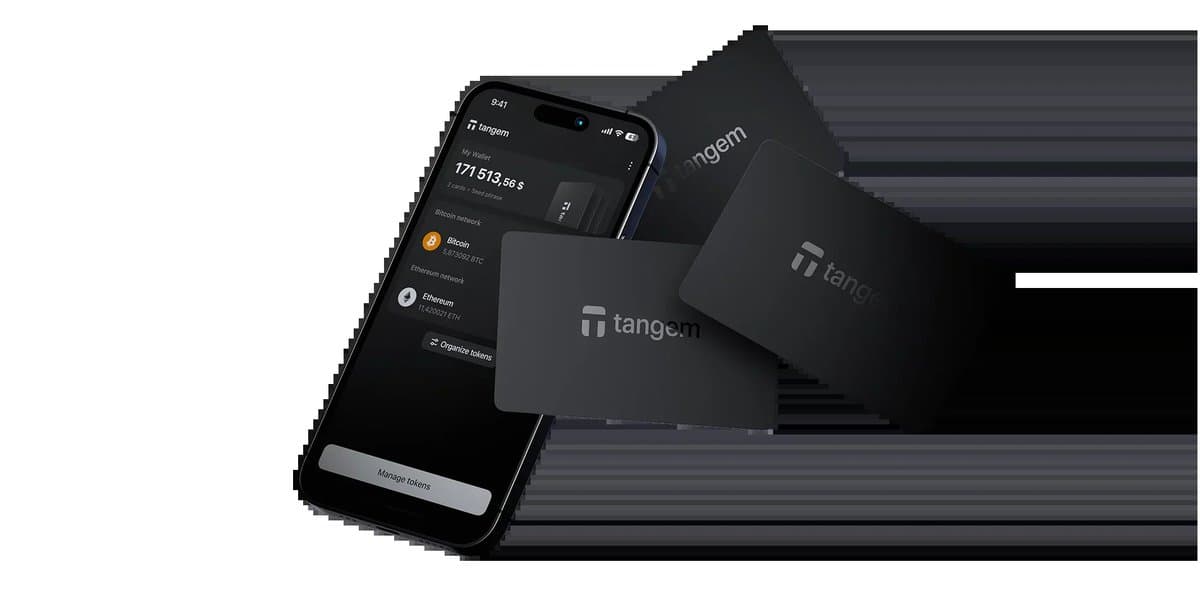
Tangem breaks the mold with its credit card-sized NFC design that eliminates most of the complexity that scares newcomers away from hardware wallets. Instead of cables, drivers, and desktop headaches, you simply tap the card on your smartphone to sign transactions. Bitget Academy notes that Tangem stands out among the leading cold wallets in 2026 for this unique approach that prioritizes convenience while maintaining offline key security.
The setup process takes minutes rather than the hour-long ordeal that traditional hardware wallets often require. The mobile app guides you through wallet creation, and the three-card backup system provides redundancy without requiring you to write down and secure a 24-word seed phrase.
For users who find traditional hardware wallets intimidating, this approach removes most of the friction while maintaining the core security benefits of cold storage.
However, the simplified design comes with trade-offs. The lack of a screen means you're relying on your smartphone to verify transaction details, which introduces potential attack vectors that don't exist with devices that have their own displays. The NFC technology, while convenient, represents a newer attack surface compared to traditional USB connections. And the three-card system, while elegant, means losing two cards could leave you unable to access your funds.
Tangem on Amazon →Best Overall Security: Trezor Safe 7
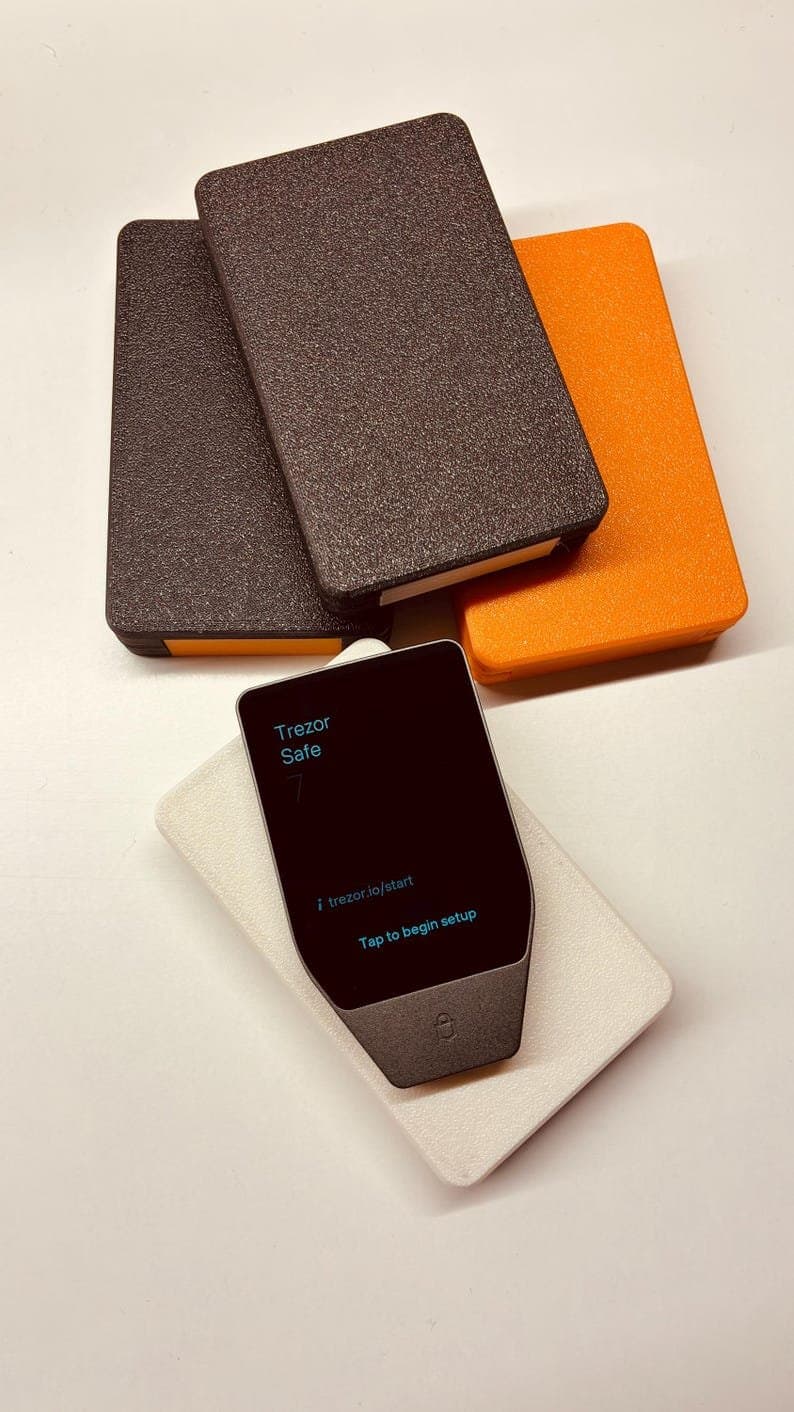
The Trezor Safe 7 represents a complete redesign of the Trezor concept, moving away from the utilitarian plastic boxes of earlier models toward a premium device that matches the sophistication of modern smartphones. Business Insider identifies it as a strong pick for users who want hardware wallet security with enhanced capabilities.
What sets the Safe 7 apart is its approach to the user interface and transaction verification. The larger, high-resolution display makes reviewing transaction details genuinely usable rather than squinting at tiny text on a postage stamp screen. The touch interface feels responsive and modern, eliminating the frustrating button navigation that plagued earlier hardware wallets.
The security architecture builds on Trezor's established open-source foundation while incorporating lessons learned from years of security research. The device supports thousands of cryptocurrencies and tokens, with particularly strong support for Bitcoin's advanced features like Taproot and Lightning Network integration. For users who want to interact with DeFi protocols, the Safe 7's integration with popular web3 browsers provides a smooth experience.
The main downside is the premium pricing that reflects the enhanced feature set. Users who primarily hold Bitcoin and don't need advanced features might find the cost hard to justify. And the larger form factor, while enabling better usability, makes the device less portable than more compact alternatives.
Trezor Safe 7 on Amazon →Best for Mobile Users: D'CENT Biometric
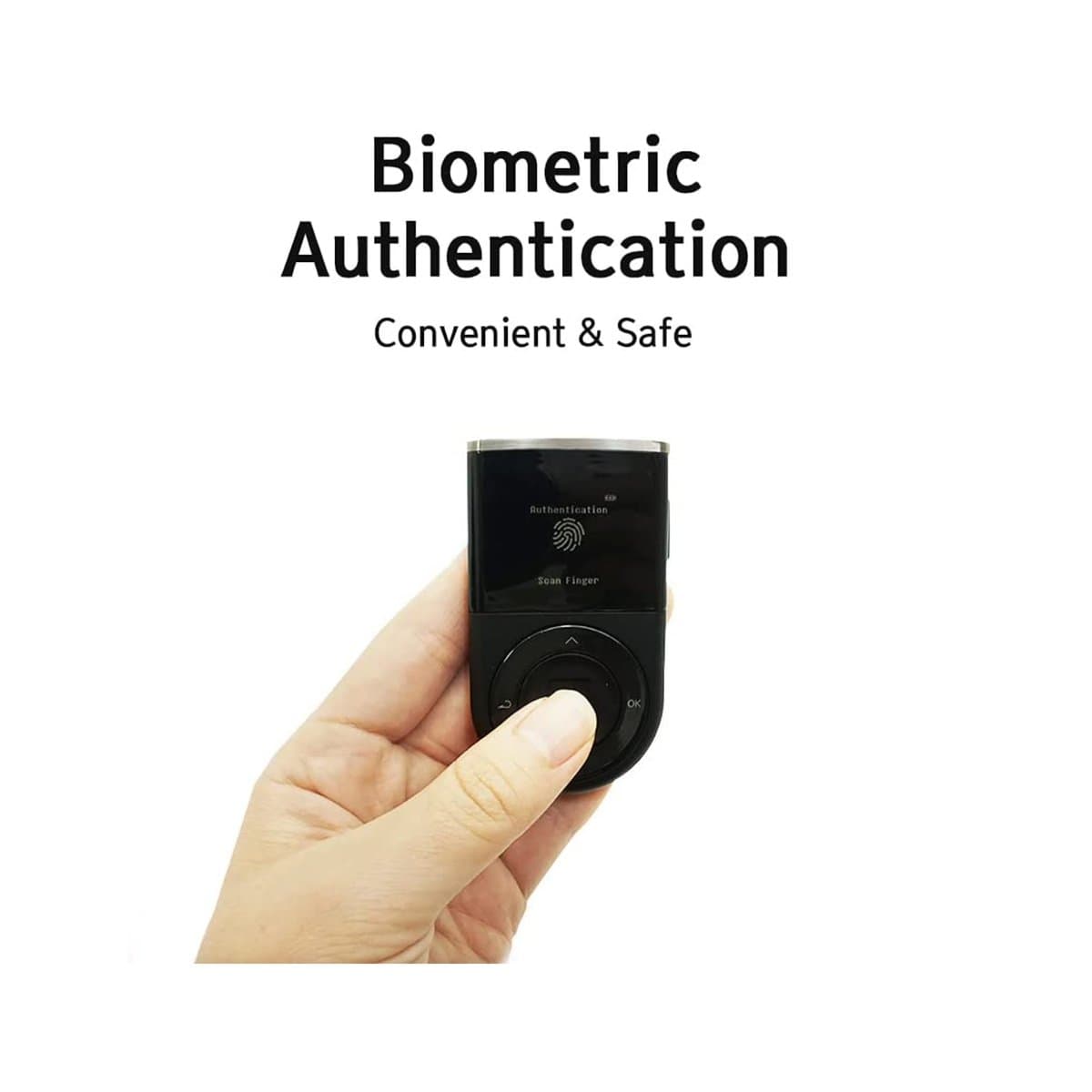
D'CENT positions itself as more than a traditional storage-focused hardware wallet, emphasizing practical mobile integration and biometric security. Analytics Insight notes that D'CENT stands out for users who want more functionality than basic cold storage, delivering offline key protection within a more mobile-friendly experience.
The fingerprint authentication system eliminates the need to remember PINs while providing faster access to your crypto. The device connects to smartphones via Bluetooth, enabling a mobile-first experience that doesn't require a desktop computer for most operations.
The dedicated mobile app provides portfolio tracking, DeFi integration, and direct access to decentralized exchanges.
From a security perspective, D'CENT uses a certified secure element chip and maintains private keys in isolated storage. The biometric data stays on the device and isn't transmitted or stored elsewhere. The multi-chain support covers major blockchains with regular firmware updates adding support for new networks as they gain adoption.
The Bluetooth connectivity, while convenient, introduces wireless attack vectors that don't exist with USB-only devices. The biometric sensor, though secure, adds complexity and potential failure points. Some users report that the fingerprint reader can be finicky, especially with wet or dry fingers. The mobile-focused design also means desktop integration isn't as smooth as devices designed primarily for computer use.
D'CENT on Amazon →Best Budget Option: Trezor Model One
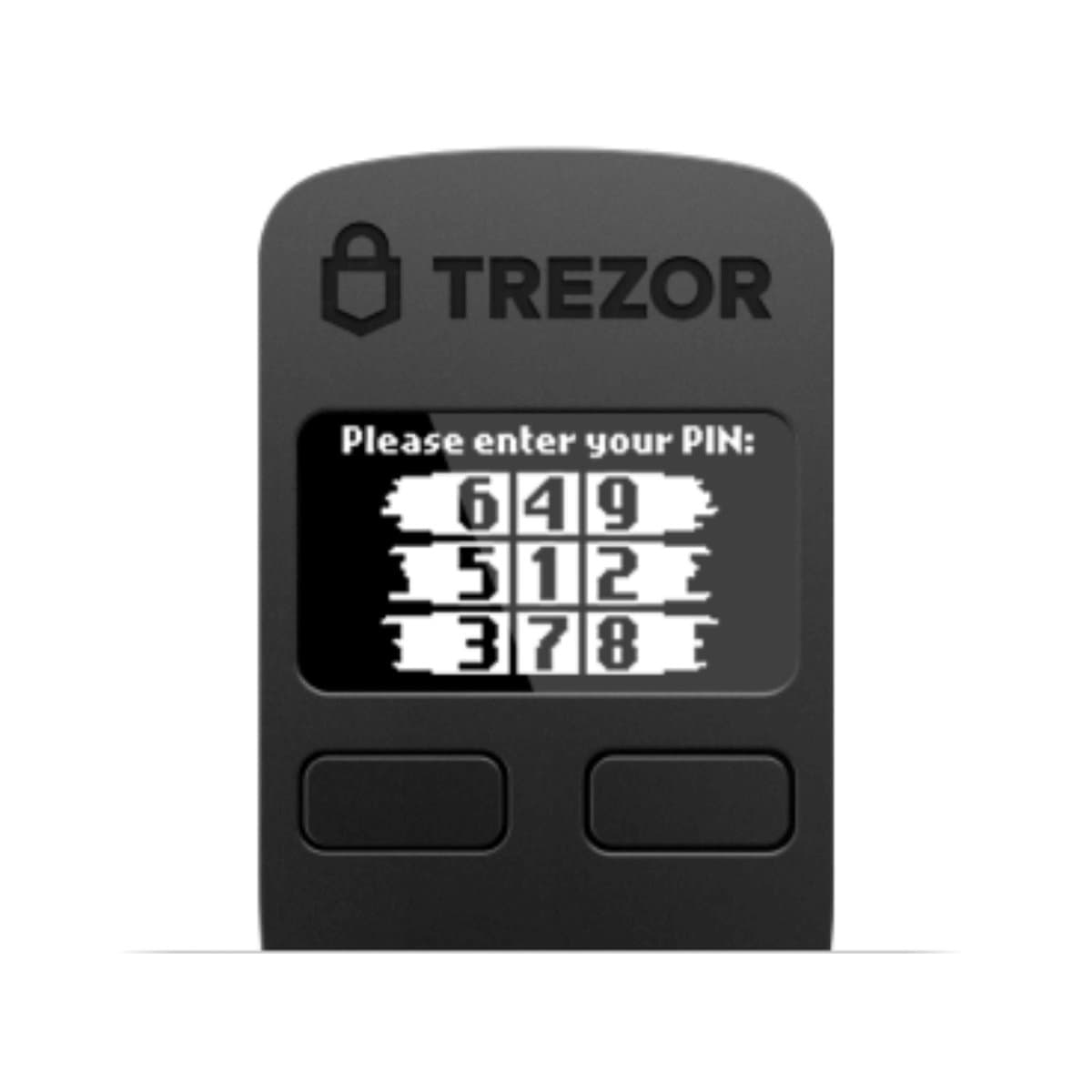
The Trezor Model One continues to represent excellent value for users who want proven hardware wallet security without premium features or pricing. 99 Bitcoins describes it as a reliable entry-level hardware wallet offering excellent security for beginners at an affordable price point.
Despite being the "basic" Trezor model, the Model One provides the core security benefits that matter most: offline private key storage, transaction verification on the device screen, and open-source firmware that's been audited by security researchers for years. The device supports hundreds of cryptocurrencies and integrates well with popular software wallets and DeFi applications.
The setup process is straightforward, with clear documentation and community support. The two-button interface, while not as elegant as touchscreen alternatives, is simple and reliable.
For users who primarily need secure storage for major cryptocurrencies like Bitcoin and Ethereum, the Model One delivers everything necessary without unnecessary complexity.
The limitations are primarily around advanced features rather than core security. The small screen makes reviewing complex transactions more difficult than with newer models. The plastic construction feels dated compared to premium alternatives. Some newer cryptocurrencies and protocols aren't supported, though this mainly affects users interested in experimental DeFi protocols or obscure altcoins.
Trezor Model One on Amazon →Best for Advanced Users: BitBox02
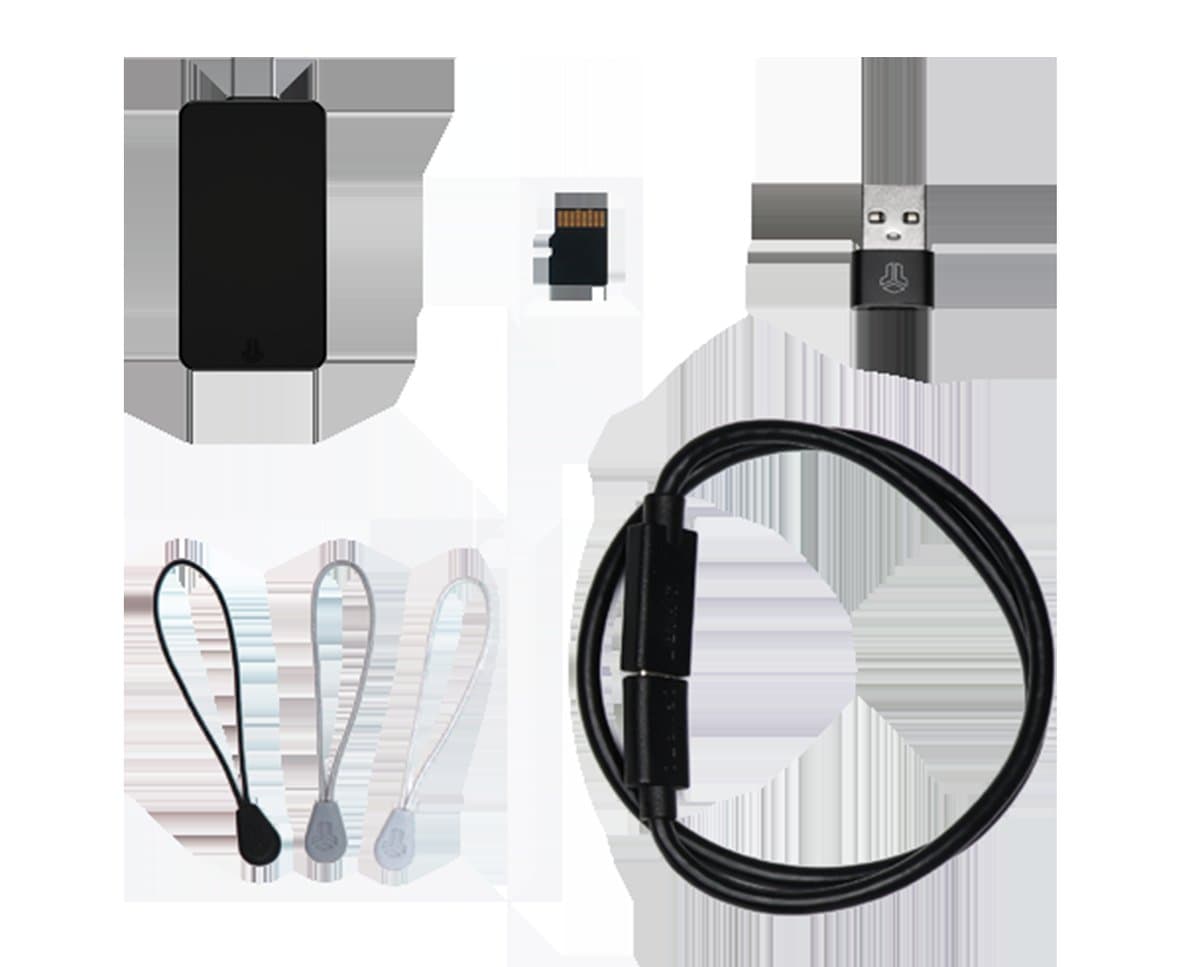
BitBox02 caters to users who want advanced security features and don't mind a steeper learning curve to access them. West Africa Trade Hub includes BitBox among the leading cold hardware wallet picks for 2026, noting its focus on security-first design principles.
The device uses a secure chip designed specifically for cryptocurrency applications, with features like secure boot, firmware attestation, and protection against side-channel attacks. The backup system uses a microSD card with encrypted storage, providing an alternative to traditional seed phrase backups that some users find more secure and convenient.
BitBox02's Bitcoin-focused features are particularly strong, with support for full node integration, coin control, and advanced privacy features. The device can connect directly to your own Bitcoin Core node, eliminating reliance on third-party servers for blockchain data.
For Ethereum, the wallet integrates well with MetaMask and other web3 tools.
The learning curve is steeper than consumer-focused alternatives. The interface assumes familiarity with advanced cryptocurrency concepts and doesn't hold your hand through complex operations. The microSD backup system, while powerful, requires understanding how to properly secure and test the backup cards. The device is also bulkier than some alternatives, making it less suitable for everyday carry.
BitBox on Amazon →Best Premium Option: Ledger Flex
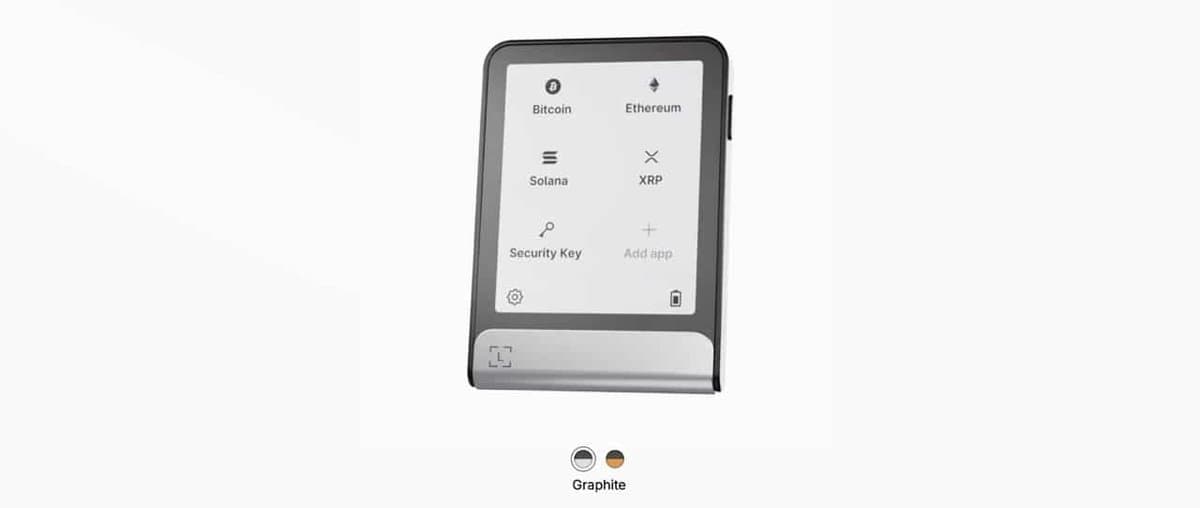
Ledger Flex represents the company's answer to criticism about user experience and display quality in earlier models. At $249, MetaMask notes it's equipped with a CC EAL5+ certified secure element, making it a premium option for users who want enhanced hardware wallet features.
The standout feature is the E Ink display that provides excellent readability while maintaining low power consumption. The larger screen makes transaction verification genuinely usable, eliminating the squinting and scrolling that plagued earlier hardware wallets. The touch interface feels responsive and modern, with intuitive navigation that doesn't require consulting the manual for basic operations.
Ledger's platform integration remains strong, with support for thousands of cryptocurrencies and tokens through the Ledger Live software. The device works smoothly with popular DeFi protocols, NFT platforms, and web3 applications. Regular firmware updates add support for new blockchains and features, extending the device's useful life.
The premium pricing reflects enhanced features but may be difficult to justify for basic use cases. The larger form factor, while enabling better usability, makes the device less portable than compact alternatives.
Some users remain concerned about Ledger's past security incidents, though the company has implemented significant improvements to their security practices.
Ledger Flex on Amazon →Best for Portfolio Tracking: SafePal S1
SafePal S1 combines cold storage security with portfolio management features that make it appealing for active traders and investors. The device includes a built-in camera for QR code scanning, enabling air-gapped transactions that never connect to the internet while still providing convenient mobile integration.
The portfolio tracking features go beyond simple balance display, providing performance analytics, profit/loss calculations, and market data integration. The mobile app connects to the hardware wallet for secure transaction signing while providing hot wallet functionality for smaller amounts and frequent transactions.
From a security perspective, SafePal uses a secure element chip with certified tamper resistance. The air-gapped design eliminates network connectivity risks while the QR code system provides a secure communication channel.
The self-destruct mechanism triggers if someone attempts to physically tamper with the device.
The camera-based interface can be slow for frequent transactions compared to USB or wireless alternatives. The built-in battery requires regular charging, adding a maintenance requirement that doesn't exist with simpler devices. The portfolio tracking features, while useful, may be overkill for users who just want secure storage without active trading functionality.
SafePal on Amazon →Common Mistakes to Avoid
Buying from Third-Party Resellers
One of the biggest security risks comes not from sophisticated hacking attempts but from purchasing compromised devices. Criminals have been known to intercept hardware wallets during shipping, modify them to steal private keys, and resell them as new. Always purchase directly from the manufacturer or authorized resellers, and verify packaging integrity when your device arrives.
The savings from third-party sellers aren't worth the risk. Even if a device appears unopened, there's no way to verify it hasn't been tampered with during manufacturing or distribution.
Some attacks are sophisticated enough to replace legitimate firmware with malicious versions that steal your private keys while appearing to function normally.
Storing Seed Phrases Digitally
The temptation to photograph your seed phrase or store it in a password manager defeats the purpose of cold storage. Digital storage introduces attack vectors that hardware wallets are designed to eliminate. Physical backup methods, while less convenient, provide security that digital alternatives cannot match.
Consider the attack scenarios: a compromised computer could access digital seed phrase storage, while physical backups require in-person access to your storage location. Metal backup plates, split storage across multiple locations, or secure deposit boxes provide better long-term security than any digital storage method.
Ignoring Firmware Updates
Hardware wallet manufacturers regularly release firmware updates that address security vulnerabilities and add support for new cryptocurrencies. Ignoring these updates leaves your device vulnerable to known attack vectors. However, the update process itself introduces temporary risk, so timing and verification become important considerations.
Always verify firmware authenticity using the manufacturer's verification tools before installing updates. Some attacks involve tricking users into installing malicious firmware that appears legitimate. The legitimate update process should always involve verification steps that confirm you're installing genuine manufacturer firmware.
If You're in a Hurry
For most users, the Tangem wallet provides the best combination of security and usability for 2026. Its NFC design eliminates setup complexity while maintaining cold storage security.
Advanced users who want premium features should consider the Trezor Safe 7, while budget-conscious buyers can't go wrong with the proven Trezor Model One.
Unpopular opinion: market data shows hardware wallets remain essential for serious crypto security, but show me the code evaluating specific devices. The tech is interesting but the hype is nonsense applies especially to marketing claims about "military-grade" security that don't hold up under scrutiny. Choose based on audited security features, not marketing promises.
Get our best picks delivered weekly
Reviews, deals, and guides. No spam.