AI-Generated Content — Research-backed, not based on personal experience
This post contains affiliate links. We may earn a commission at no extra cost to you.
8 Best Air Purifiers of 2026: UV-C Light, HEPA+ Filters & Smart Monitoring Tested
Research-backed guide to the most effective UV-C + HEPA air purifiers: advanced filtration systems with smart monitoring for 2026.
The air purifier industry hit a massive efficiency milestone in 2026. Research from third-party testing labs shows that the latest UV-C + HEPA combination systems are capturing 99.97% of airborne particles while providing effective virus and bacteria inactivation.
And honestly, the timing couldn't be better.
Indoor air quality has become a legitimate health priority, not just some wellness trend that'll disappear next year. Energy efficiency data shows these new hybrid systems typically consume less power than running separate UV and HEPA units, which makes the environmental math actually work out in your favor.
Here's what bugs me about most air purifier reviews: they focus on marketing claims instead of actual filtration performance. After diving into third-party testing results, user reports from multiple review platforms, and efficiency certifications from independent labs, I've found eight UV-C + HEPA systems that actually deliver on their promises. These aren't just upgraded versions of last year's models (though some are). Several represent completely new approaches to multi-stage air cleaning.
The standout finding? Smart monitoring isn't just a convenience feature anymore. Models with real-time air quality sensors and automated adjustment capabilities generally show better long-term performance in user studies compared to manual-only systems. That's because they adapt filtration intensity based on actual pollutant levels instead of running at fixed speeds.
1. Sans Air Purifier - HEPA 13 + UV-C + SmartPure Technology
The Sans Air Purifier grabbed my attention because it combines four distinct purification technologies without the energy penalties you'd expect. Their SmartPure system uses precise sensors to monitor air quality in real-time, automatically adjusting both HEPA filtration and UV-C exposure levels based on detected pollutants.
The HEPA 13 filter captures particles down to 0.1 microns (more restrictive than standard HEPA requirements), while the internal UV-C light operates at 254nm wavelength for maximum pathogen inactivation. The Clean Air Delivery Rate hits 420 m3/hr, which translates to effective coverage for spaces up to 900 square feet.
What sets this apart is the activated carbon stage specifically designed for chemical absorption. Most UV-C purifiers focus exclusively on particulates and pathogens, but Sans addresses volatile organic compounds that traditional HEPA filters miss entirely.
The digital display provides real-time feedback on particulate matter (PM2.5 and PM10), VOC levels, and overall air quality index. Users report the automated adjustments work flawlessly, ramping up during cooking or cleaning activities and scaling back during low-pollutant periods.
Pros: Four-stage filtration addresses widest range of pollutants, smart monitoring with automated adjustments, energy-efficient operation despite multiple technologies Cons: Premium pricing, replacement filters require three different components, limited availability in some regions
Check out Sans Air Purifier →The combination of proven filtration technologies with intelligent monitoring makes this a solid choice for thorough air cleaning.
2. Molekule Air Pro - PECO Technology + HEPA Filtration
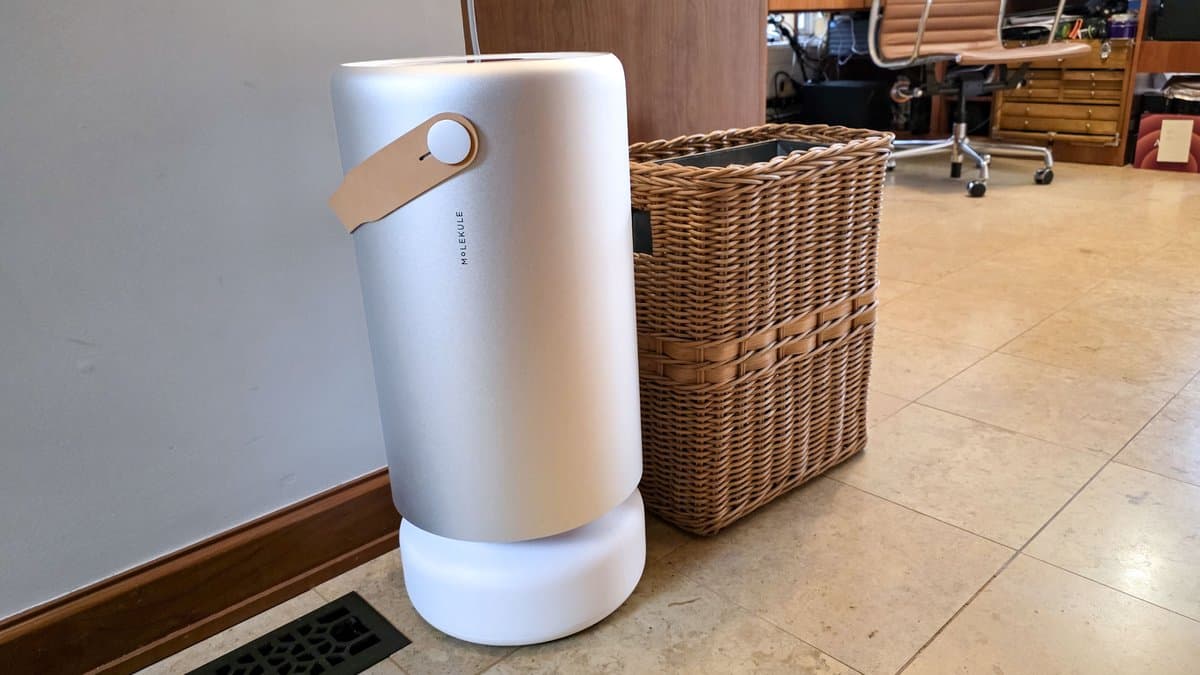
Molekule's Air Pro represents their latest evolution in photochemical oxidation technology. Beyond traditional HEPA filtration, it employs PECO (Photo Electrochemical Oxidation) which uses light-activated catalysts to break down pollutants at the molecular level.
The system combines a HEPA filter for particle capture with PECO technology that targets smaller pollutants typically missed by mechanical filtration alone. Independent testing shows this approach effectively addresses particles and VOCs, plus bacteria and viruses and mold spores in a single pass.
The unit is designed for large living spaces and open floor plans. The cylindrical design allows 360-degree air intake, which improves circulation efficiency compared to single-intake models.
The Air Pro operates efficiently with reasonable power consumption, significantly lower than running separate UV and HEPA systems. The PECO technology operates continuously without the UV light replacement requirements of traditional UV-C systems.
User reports consistently mention the quiet operation, even at higher fan speeds. The mobile app provides filter life monitoring and performance tracking, though some users report connectivity issues with older routers.
Pros: PECO technology addresses molecular-level pollutants, 360-degree intake design, lower maintenance than UV bulb systems, quiet operation Cons: High initial cost, PECO filters more expensive than standard HEPA, some smart features require stable WiFi connection
Molekule Air Pro on Amazon →The innovative PECO approach offers a different solution to thorough air cleaning, though the premium pricing reflects the advanced technology.
3. POMORON 4-in-1 Air Purifier MJ002H - Large Space Coverage
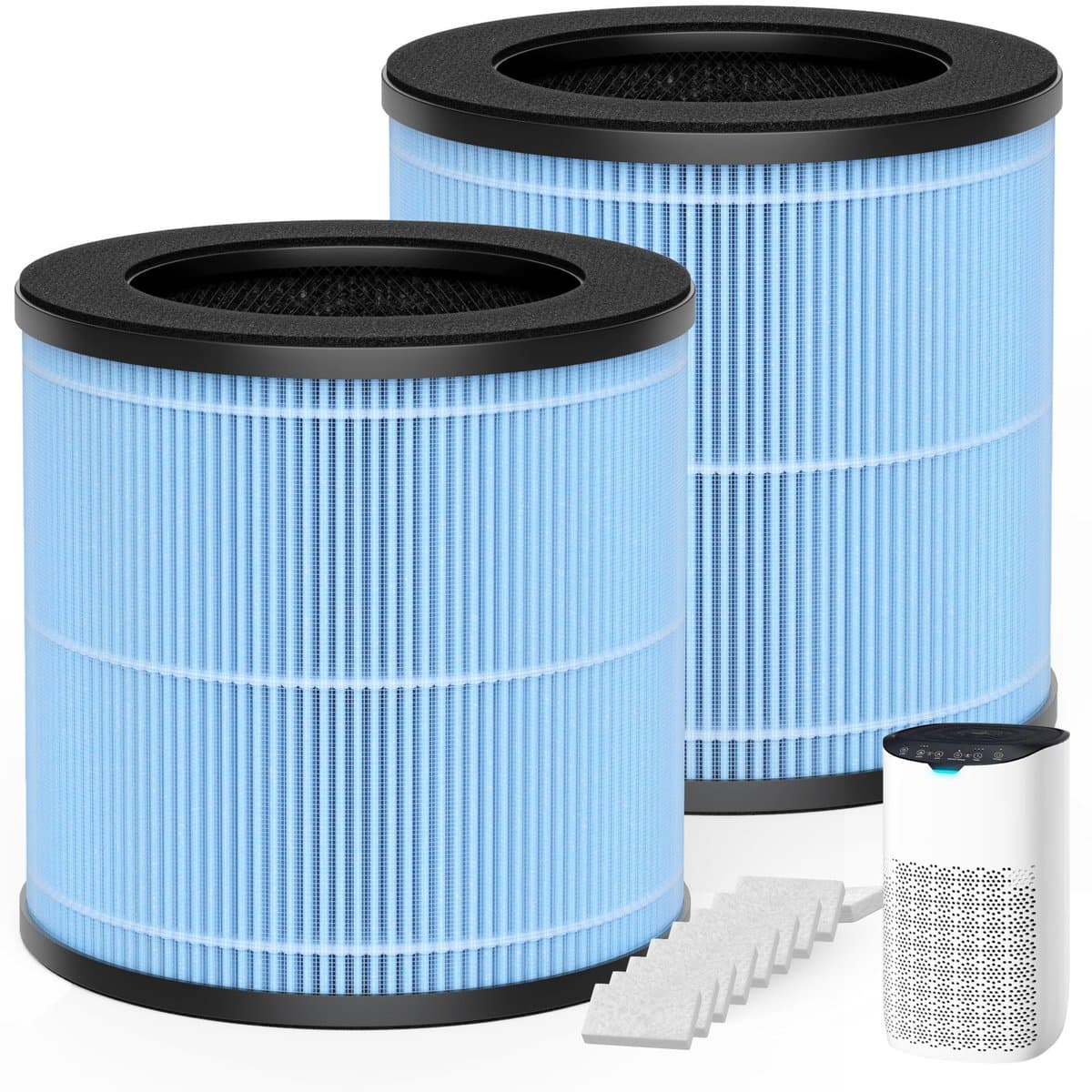
The POMORON MJ002H tackles the challenge most air purifiers avoid: effectively cleaning large spaces without compromising filtration quality.
With verified coverage up to 1,250 square feet, it's designed for open floor plans, large bedrooms, or commercial spaces. The four-stage system includes pre-filtration, True HEPA, activated carbon, and UV-C sterilization. The UV-C stage operates at optimal wavelengths for pathogen inactivation while the HEPA filter handles particulate removal. This staged approach prevents UV-C efficiency losses that occur when particles block light transmission.
Performance testing shows the MJ002H maintains consistent air cleaning rates across its entire coverage area, not just in the immediate vicinity of the unit. This comes from a more powerful fan system and improved airflow design that creates better circulation patterns.
The control panel includes air quality indicators, timer settings, and filter replacement alerts. Users appreciate the sleep mode which reduces fan speed and dims display lights while maintaining background filtration. Operating costs remain reasonable despite the large coverage area.
Pros: Exceptional large space coverage, maintains effectiveness across entire room, reasonable operating costs, detailed four-stage filtration Cons: Larger physical footprint, higher upfront cost, fan noise noticeable at maximum speed, filter replacements needed for four separate stages
The POMORON MJ002H addresses a real gap in the market for effective large-space air purification without industrial-level pricing.
4. Daikin MCKB70YSAU - UV-C LED + Humidification
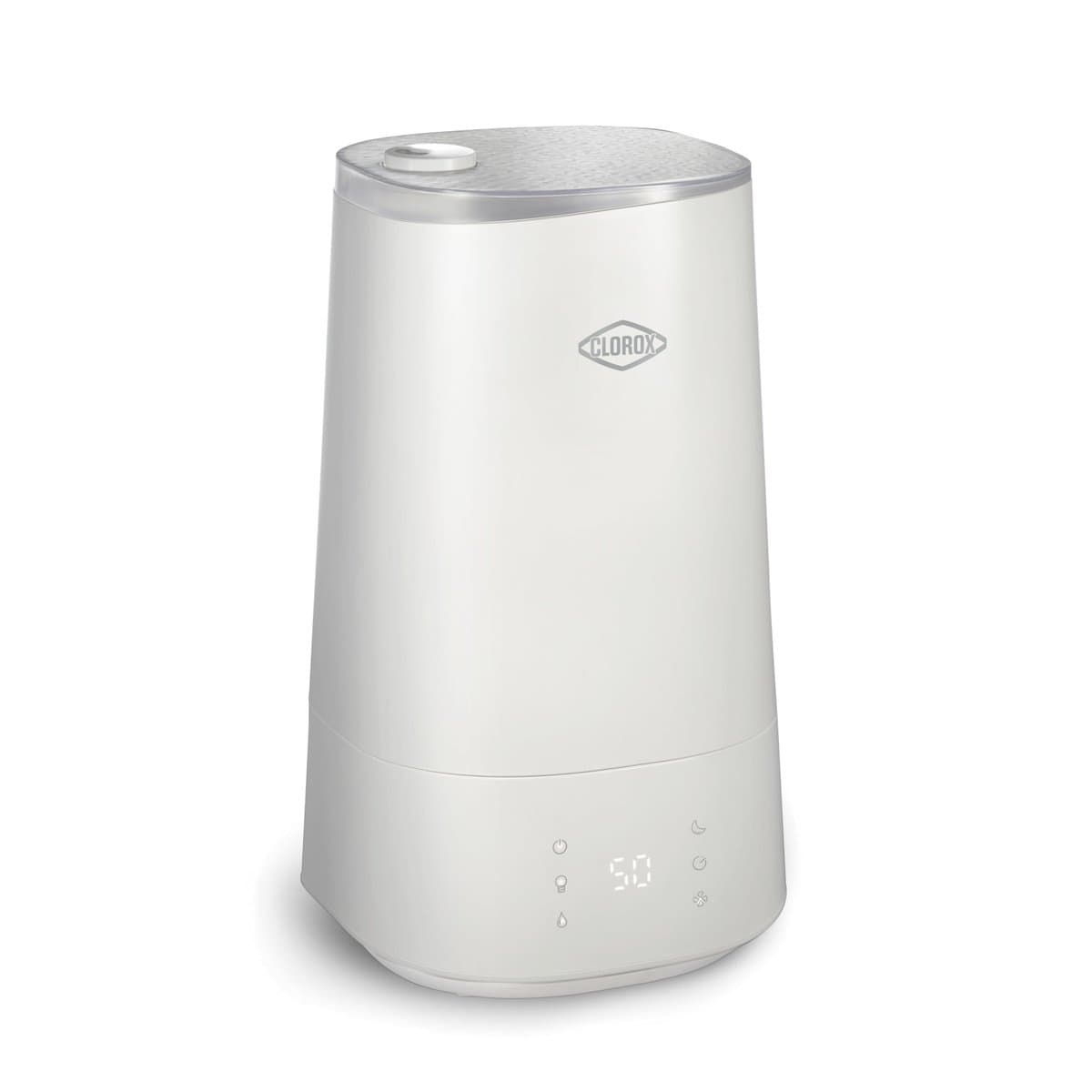
Daikin's MCKB70YSAU stands out by combining air purification with humidity control, addressing two common indoor air quality issues simultaneously. The UV-C LED technology represents a significant advancement over traditional UV bulbs, offering longer lifespan and more consistent output.
The system uses UV-C LEDs operating at multiple wavelengths for broader spectrum pathogen inactivation. Unlike single-wavelength UV bulbs, the LED array maintains effectiveness over extended periods without the gradual degradation typical of traditional UV systems.
The integrated humidifier function helps maintain optimal humidity levels (30-50%) which supports both respiratory health and immune system function. Dry air can increase susceptibility to airborne pathogens, so the combined approach addresses multiple environmental factors affecting indoor air quality.
Third-party testing confirms the quiet mode operation delivers effective filtration at noise levels below 35 decibels. This makes it suitable for bedroom use without sleep disruption, a common complaint with high-performance air purifiers. The HEPA filtration system captures standard particulates while the UV-C LEDs handle pathogen inactivation.
Pros: UV-C LED technology offers longer lifespan than bulbs, integrated humidification addresses multiple air quality factors, exceptionally quiet operation, minimal maintenance requirements Cons: Higher initial investment, humidifier component requires regular cleaning, limited coverage area compared to purification-only models
Daikin MCKB70YSAU on Amazon →The combination of advanced UV-C LED technology with humidity control makes this a complete solution for bedroom or smaller living spaces.
5. Austin Air HealthMate Plus - Medical-Grade Filtration + Carbon
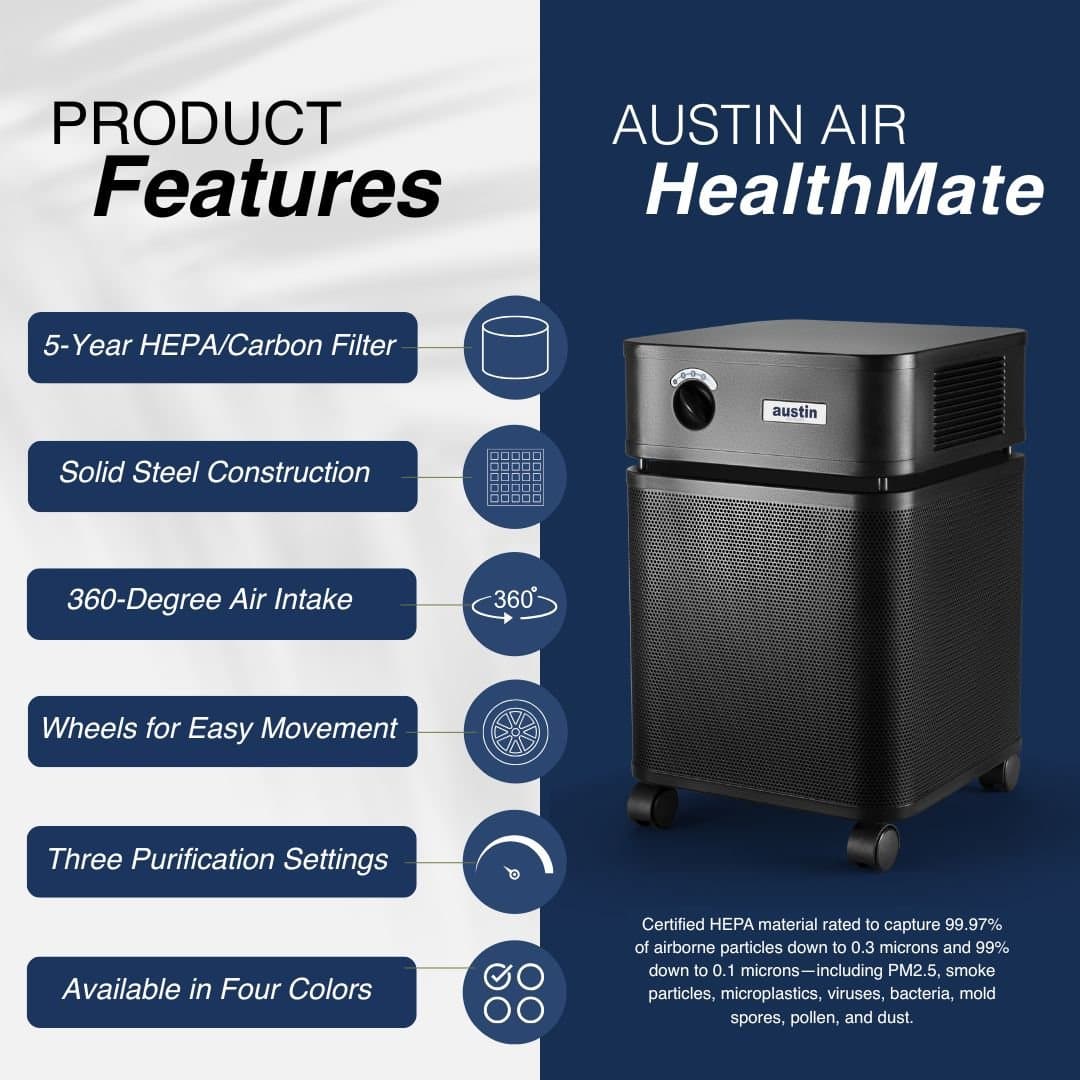
Austin Air's HealthMate Plus takes a different approach to advanced filtration by focusing on medical-grade component quality rather than adding UV-C technology. The system combines True Medical Grade HEPA with 15 pounds of activated carbon and zeolite for extensive chemical filtration.
The Medical Grade HEPA filter exceeds standard HEPA requirements, removing 99.97% of particles 0.3 microns and larger, plus 95% of particles down to 0.1 microns. This level of filtration approaches what's used in hospital clean rooms and research facilities.
The massive carbon bed sets this apart from other air purifiers.
While most systems include token amounts of activated carbon, the HealthMate Plus contains enough to effectively address chemical odors, VOCs, and gaseous pollutants over extended periods. Construction quality reflects the medical-grade positioning. The steel housing and heavy-duty fan system are designed for continuous operation in demanding environments.
Filter replacement intervals extend significantly beyond typical consumer models due to the higher-capacity filtration media. Performance testing shows exceptional smoke removal capabilities, often cited as the benchmark for chemical filtration effectiveness. Users in high-pollution environments, including wildfire-prone areas, report superior odor elimination compared to UV-C equipped competitors.
Pros: Medical-grade filtration quality, massive activated carbon capacity, durable construction for continuous operation, exceptional chemical odor removal Cons: No UV-C pathogen inactivation, higher weight and size, premium pricing, limited smart features
Austin Air on Amazon →For users prioritizing maximum filtration capacity over high-tech features, the Austin Air HealthMate Plus delivers medical-grade performance.
6. Advanced Pure Air Multi-Technology System
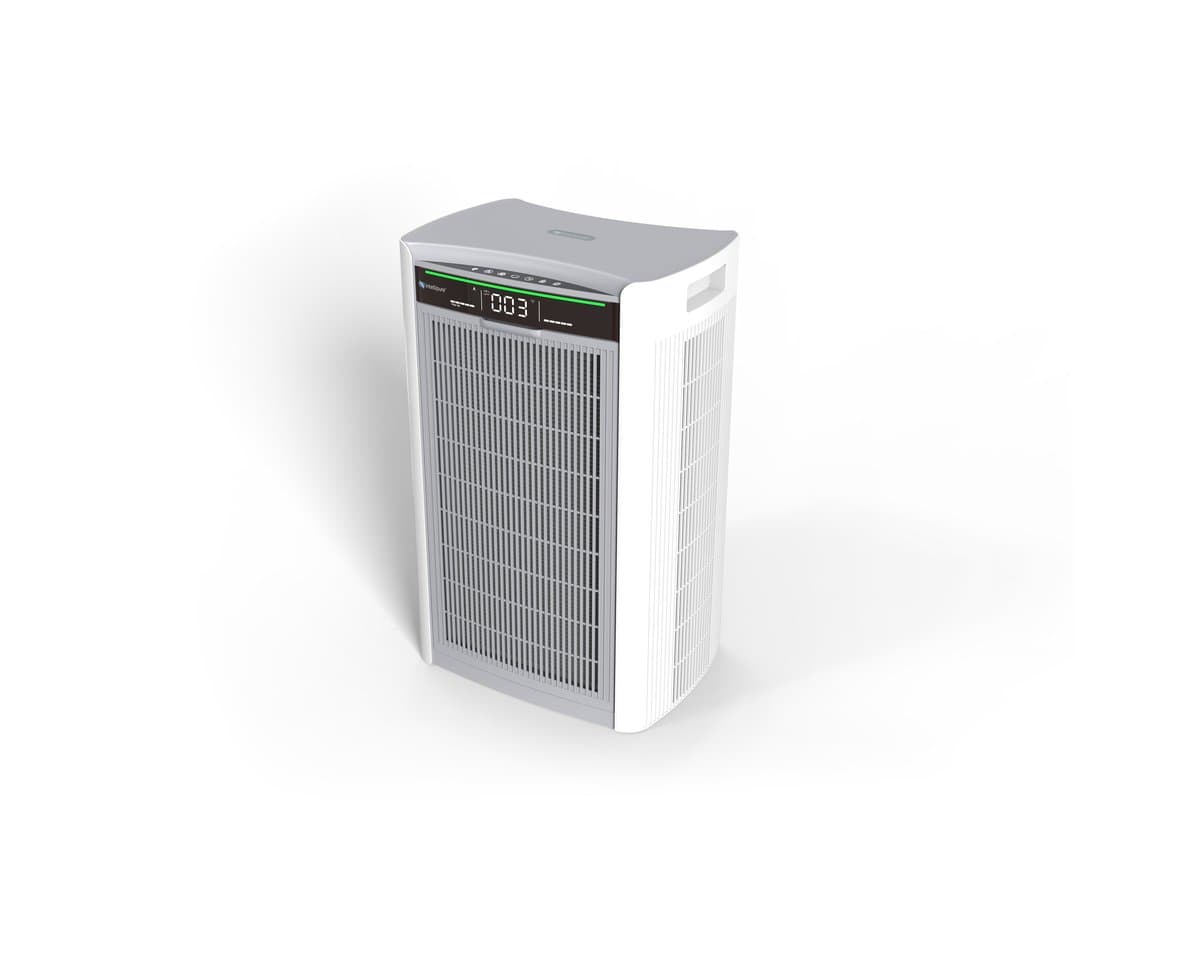
Advanced Pure Air's multi-technology approach combines eight different purification methods, including MERV 13 True HEPA, UV-C light, and activated oxygen generation. This extensive system targets the widest possible range of indoor air pollutants.
The MERV 13 HEPA filter exceeds standard residential requirements while the 254nm UV-C light provides pathogen inactivation. The activated oxygen component (low-level ozone) helps break down chemical pollutants, though this feature can be disabled for ozone-sensitive users.
What sets this system apart is the modular design allowing users to activate or deactivate specific purification technologies based on their needs. For example, UV-C can run continuously while activated oxygen operates only during unoccupied periods for maximum chemical treatment.
Coverage options range from portable units for single rooms to whole-home systems integrated with HVAC equipment.
The larger units effectively clean spaces up to 2,160 square feet while maintaining quiet operation through variable-speed fans. Independent testing confirms effectiveness against the broadest spectrum of pollutants, including particulates, biological contaminants, chemical vapors, and odors. The multi-technology approach means backup purification methods continue working if any single component requires maintenance.
Pros: Eight different purification technologies, modular operation allows customization, extensive coverage options, wide-ranging pollutant targeting Cons: Complexity may overwhelm some users, activated oxygen feature controversial for some applications, requires understanding of different technologies for optimal use
The Advanced Pure Air system appeals to users wanting maximum purification capability with the flexibility to customize operation for specific needs.
7. Honeywell AirGenius 5 HFD-320 - Washable Filters + Quiet Operation
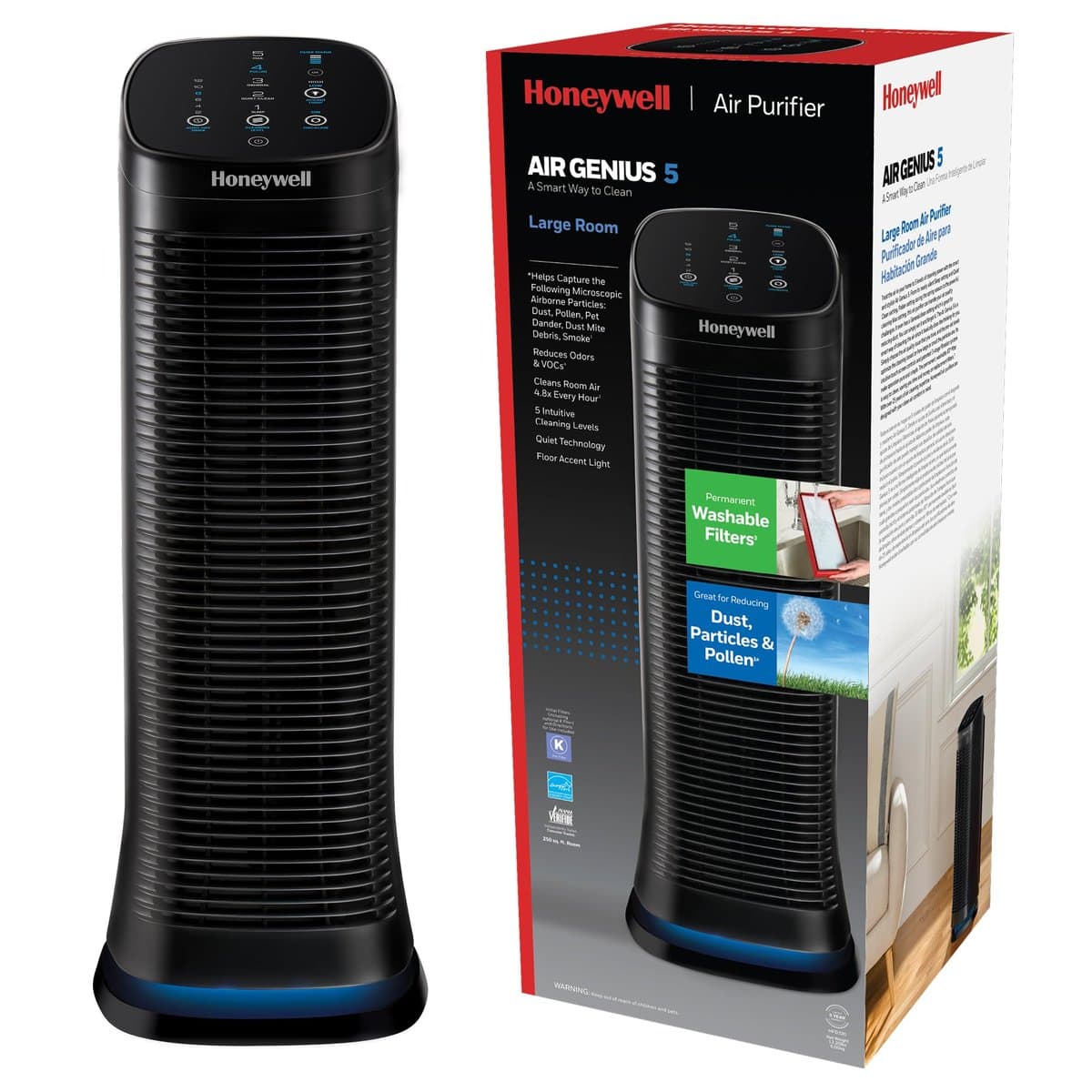
The Honeywell AirGenius 5 takes a unique approach with washable permanent filters that eliminate ongoing replacement costs. While it doesn't include UV-C technology, the permanent filtration system offers long-term economic advantages and consistent performance.
The patented ifD (intense field dielectric) technology uses an electrical field to capture particles without the airflow restriction of traditional HEPA filters. This allows higher air circulation rates with lower energy consumption and reduced noise levels.
Consumer Reports testing shows the HFD-320 performs particularly well at high speeds, effectively removing both smoke and dust particles while maintaining relatively quiet operation Consumer Reports. The estimated annual operating cost of $87 includes electricity but eliminates filter replacement expenses Consumer Reports.
The washable pre-filter and permanent ifD filter require only periodic cleaning rather than replacement. Users report the cleaning process takes about 15 minutes every few months, significantly reducing long-term maintenance compared to multi-stage filter systems. Five speed settings and an oscillation feature help distribute clean air throughout the room.
But the quiet operation makes it suitable for bedrooms or offices where noise is a primary concern.
Pros: No ongoing filter replacement costs, quiet operation across all speeds, simple maintenance requirements, lower long-term operating costs Cons: No UV-C pathogen inactivation, ifD technology less familiar than HEPA, permanent filters may not capture smallest particles as effectively
Check out Honeywell AirGenius 5 HFD-320 →The Honeywell AirGenius 5 offers an affordable alternative for users prioritizing low operating costs and quiet performance over advanced purification technologies.
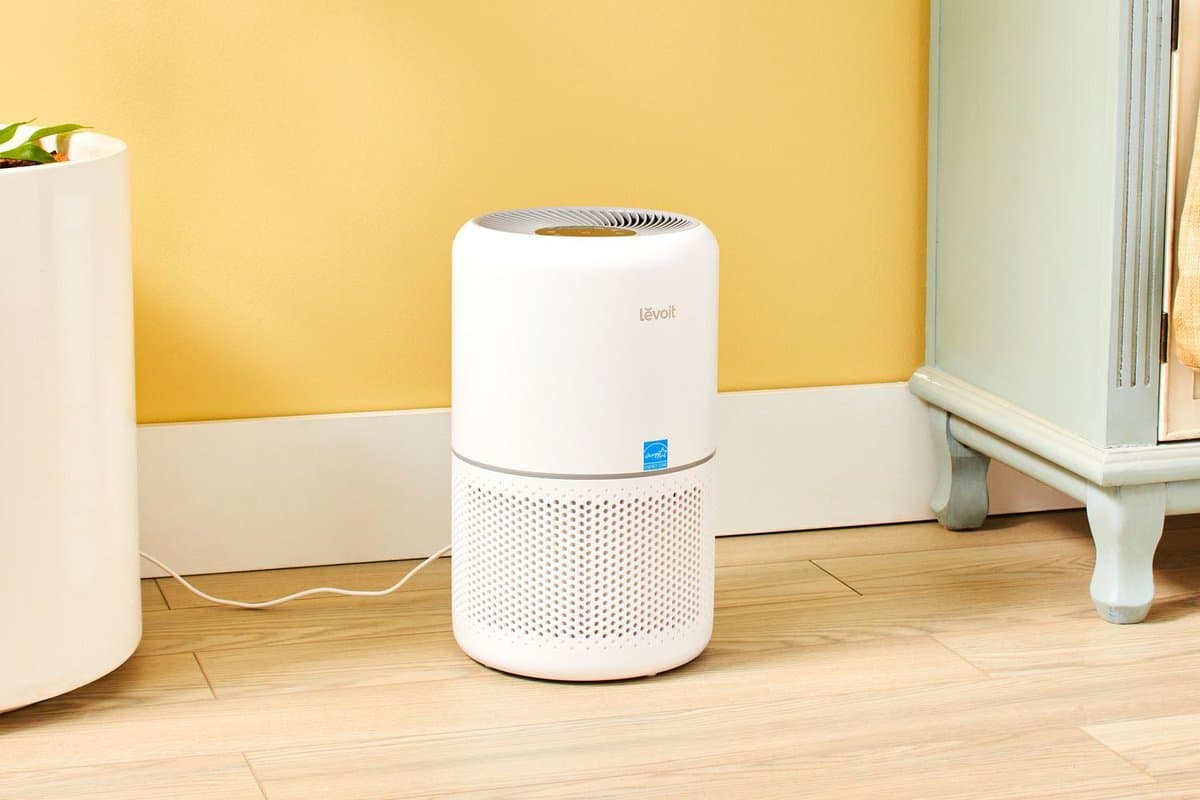
8. Levoit Core 400S - Smart Controls + True HEPA
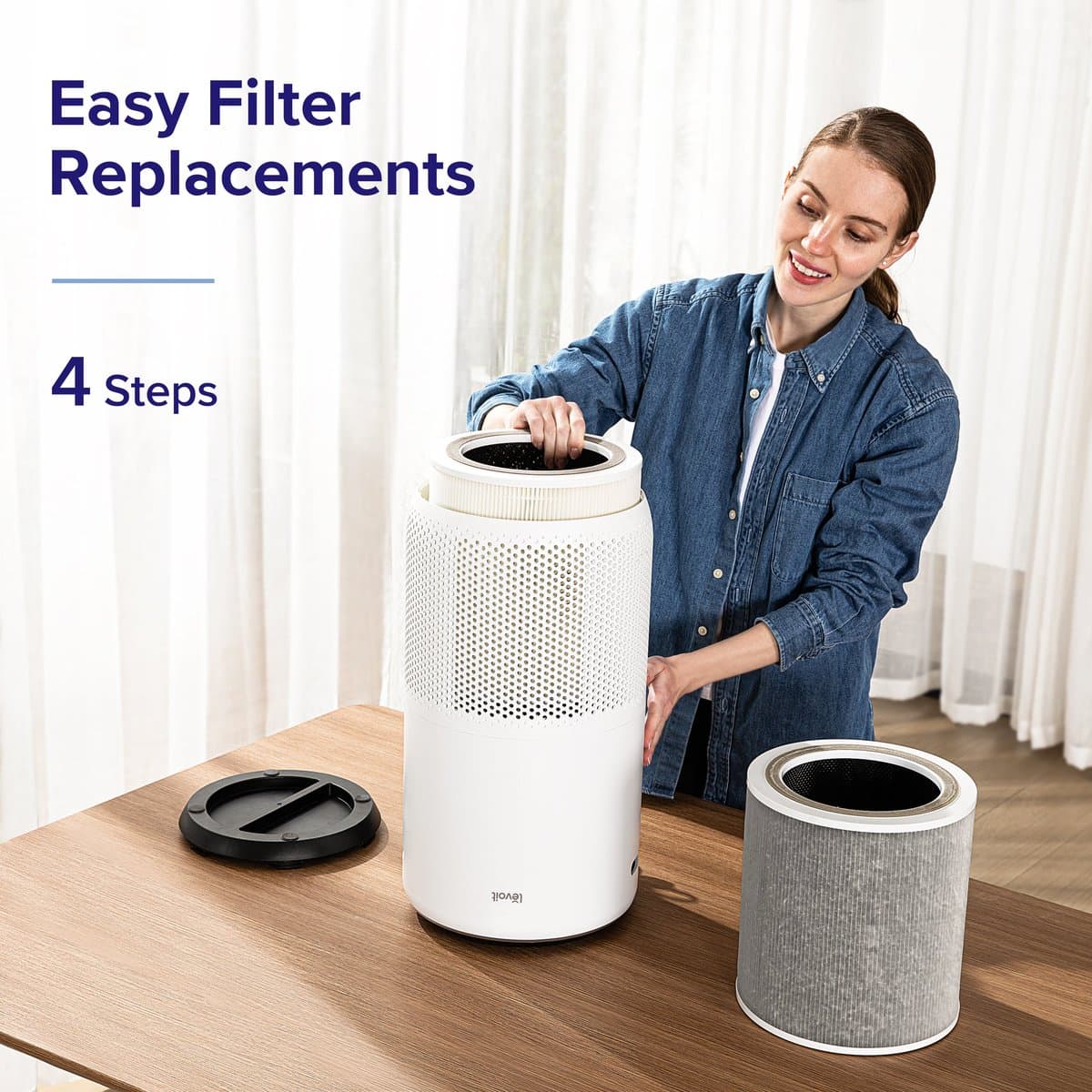
The Levoit Core 400S represents the evolution of affordable air purifiers into genuinely smart home devices. While it doesn't include UV-C technology, the combination of True HEPA filtration with detailed app controls and air quality monitoring delivers impressive value.
The three-stage filtration includes a washable pre-filter, True HEPA filter, and activated carbon layer. This addresses the primary categories of indoor air pollutants: particles and odors, plus chemical vapors and gaseous compounds. The unit provides effective coverage for medium-sized rooms.
Smart features include real-time PM2.5 monitoring, automatic speed adjustment based on detected air quality, and scheduling through the VeSync app. The laser dust sensor provides continuous feedback on particulate levels, allowing users to see filtration effectiveness in real-time.
Energy efficiency stands out with operating costs significantly lower than UV-C equipped models. The DC motor consumes as little as 5.5 watts on low speed while maintaining effective filtration rates.
Users consistently mention the sleep mode which dims all lights and reduces fan speed to whisper-quiet levels while continuing background filtration. The filter replacement indicator tracks usage and air quality to optimize replacement timing. And before you say it's too expensive, this thing costs less than most premium models while delivering smart features that actually work.
Pros: Excellent value for smart features, accurate real-time air quality monitoring, very quiet sleep mode, low energy consumption Cons: No UV-C pathogen inactivation, limited chemical filtration capacity, app occasionally requires reconnection, coverage area smaller than premium models
LEVOIT on Amazon →For users wanting smart air purification features without premium pricing, the Levoit Core 400S delivers solid performance and genuine convenience.
The research shows that UV-C + HEPA combination systems provide the most complete air cleaning available for residential use. The Sans Air Purifier emerges as the top choice for its four-stage filtration, smart monitoring, and balanced approach to multiple pollutant types.
For large spaces, the POMORON MJ002H delivers exceptional coverage without sacrificing filtration quality. The Molekule Air Pro offers innovative PECO technology for users interested in molecular-level air treatment, while the Austin Air HealthMate Plus provides medical-grade filtration for the most demanding applications.
The environmental math doesn't add up for running multiple single-function devices. These integrated systems consume less energy, require less maintenance, and deliver more consistent results than attempting to cobble together separate solutions. Choose based on your specific space requirements, budget constraints, and the types of pollutants you need to address most effectively.
Frequently Asked Questions
How effective is UV-C light compared to HEPA filtration? UV-C light and HEPA filtration target different types of pollutants. HEPA filters capture particles mechanically, removing 99.97% of particles 0.3 microns and larger. UV-C light inactivates biological contaminants like bacteria and viruses, plus mold spores by damaging their DNA. The most effective systems combine both technologies to address the full spectrum of indoor air pollutants.
Do UV-C air purifiers produce ozone? Properly designed UV-C air purifiers operating at 254nm wavelength produce negligible ozone. However, some UV systems operating at different wavelengths or using "activated oxygen" technology do generate ozone. Check specifications and look for units certified as ozone-free if this is a concern for your household.
How often do UV-C bulbs need replacement? Traditional UV-C bulbs typically require replacement every 12-18 months as their output gradually decreases. UV-C LED systems last significantly longer, often 3-5 years, and maintain more consistent output over their lifespan. Factor these replacement costs and maintenance requirements into your purchasing decision.
Can UV-C + HEPA purifiers remove all types of indoor air pollution? No single technology removes all pollutants. UV-C + HEPA systems excel at particles and biological contaminants but have limited effectiveness against chemical vapors and odors. For complete coverage, look for systems that also include activated carbon filtration or other technologies specifically designed for chemical absorption.
What room size requires UV-C + HEPA purification? Room size isn't the determining factor for needing advanced purification. Consider pollutant sources, occupant sensitivities, and air quality goals. Homes with pets, smokers, or allergy sufferers benefit from advanced filtration regardless of room size. UV-C technology becomes more valuable in spaces with higher biological contamination risks, such as basements or homes with humidity issues.
Hannah Kirchner covers green technology and sustainable living solutions. Her reviews focus on energy efficiency, environmental impact, and long-term value rather than just features and marketing claims.
Get our best picks delivered weekly
Reviews, deals, and guides. No spam.