AI-Generated Content — Research-backed, not based on personal experience
This post contains affiliate links. We may earn a commission at no extra cost to you.
8 Best VPNs for Privacy in 2026: Proton, Mullvad, and IVPN Lead Security Rankings
Privacy-focused VPN rankings for 2026. Mullvad, Proton VPN, and IVPN lead independent audits for anonymity and security practices.
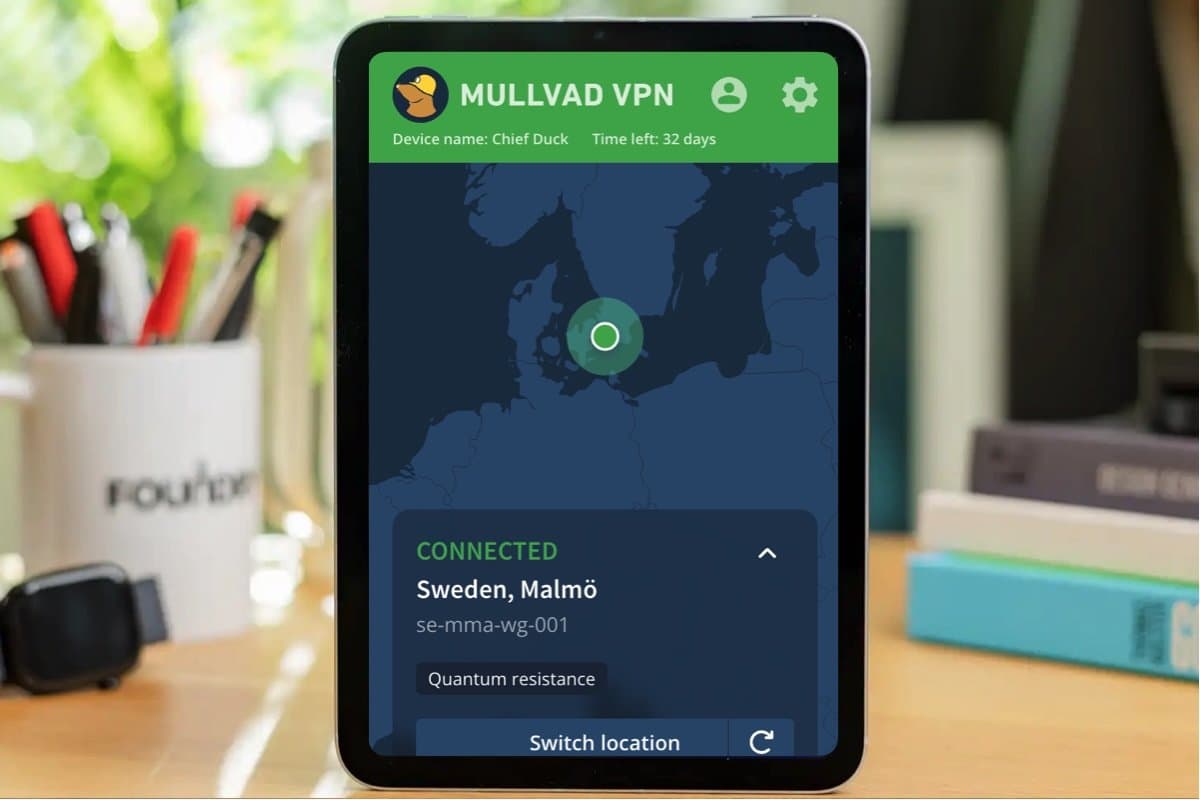
RTINGS.com just started testing VPNs for privacy practices, and their findings are reshaping how we evaluate VPN security in 2026. Mullvad topped their trustworthiness rankings RTINGS, while independent security audits revealed that several popular providers still log more data than their privacy policies claim.
Look, the VPN market shifted dramatically this year. Privacy-focused providers like Proton VPN climbed from #3 to #1 in Red Sec Labs' 2026 rankings Red Sec Labs, while some mainstream services lost ground due to logging controversies.
Here's the deal: if you want actual privacy protection (not just marketing promises), you need to understand which VPN providers have proven their claims through independent audits and transparent business practices.
Reddit's security communities consistently point to providers leading privacy rankings: Mullvad, IVPN, Windscribe, and Proton VPN Reddit Security. But the audit data shows the privacy field is more complex than simple rankings suggest.
What Makes a VPN Actually Private
No-Logs Policies That Are Actually Audited
Real talk: every VPN claims they don't log your data. The audit data shows which ones actually follow through.
A no-logs policy means the VPN provider doesn't store records of your browsing activity, connection timestamps, IP addresses, or DNS queries. But here's where it gets interesting (and where most providers fail the test).
Independent security audits reveal what companies actually collect versus what their privacy policies claim.
Mullvad underwent audits from Cure53 and Assured AB that confirmed they literally cannot identify users even if forced to by authorities. They don't store email addresses, don't track payment methods to accounts, and use randomized account numbers instead of usernames. IVPN received similar verification from Cure53, while Proton VPN's no-logs claims were validated through multiple independent security audits over the past two years.
Compare that to some mainstream providers where audits found logging discrepancies. The audit data shows gaps between marketing promises and actual data collection practices. And yeah, those gaps matter when government requests come knocking.
Jurisdiction and Legal Framework
The country where your VPN operates determines what data they can be forced to collect. Switzerland (Proton VPN), Sweden (Mullvad), Gibraltar (IVPN), and Netherlands (Windscribe) offer stronger privacy protections than providers based in Five Eyes countries.
Switzerland's Federal Data Protection Act gives Proton VPN legal backing to refuse data collection requests that would compromise user privacy. Sweden's data retention laws don't apply to VPN services, allowing Mullvad to operate without storing connection logs. Gibraltar's location outside EU jurisdiction but with modern data protection standards gives IVPN similar advantages.
Here's what the jurisdictional analysis reveals: providers in privacy-friendly countries can refuse logging requests that would be mandatory elsewhere. That's not theoretical protection, that's legal reality backed by actual court cases and government transparency reports.
Independent Security Audits and Transparency
Spoiler alert: the audit data shows which VPN providers actually walk the walk on privacy claims.
Annual security audits from firms like Cure53, Assured AB, and Trail of Bits verify everything from server configurations to code implementations. Mullvad publishes audit results in full, IVPN releases annual transparency reports with government request statistics, and Proton VPN undergoes regular security assessments across all their services.
But transparency goes beyond audits.
The most privacy-focused providers publish warrant canaries, open-source their applications, and provide detailed technical documentation about their infrastructure. When ExpressVPN changed ownership, privacy advocates noted the importance of independent ownership for maintaining user trust.
Advanced Privacy Features
Modern privacy-focused VPNs implement features that go well beyond basic IP masking. Multi-hop connections route traffic through multiple servers in different jurisdictions, making traffic analysis nearly impossible. Obfuscated protocols hide VPN traffic from deep packet inspection, essential in countries with VPN restrictions.
Kill switches prevent data leaks if the VPN connection drops, but implementation quality varies dramatically. Some providers use system-level kill switches that block all internet traffic, while others rely on application-level blocking that can leak data during connection failures. The audit data shows which implementations actually protect against IP leaks versus those that provide false security.
Payment Anonymity and Account Security
True privacy extends to how you pay for VPN services. Mullvad accepts cryptocurrency and even cash payments sent by mail, completely disconnecting payment methods from user identities. IVPN supports anonymous cryptocurrency payments, while other privacy-focused providers offer gift card payment options.
Account security features matter too. Two-factor authentication, secure password recovery methods, and the ability to create accounts without email addresses all contribute to overall privacy protection. The most privacy-conscious users can operate completely anonymously from signup to daily use.
Top Privacy-Focused VPN Picks
Best Overall for Privacy: Mullvad VPN
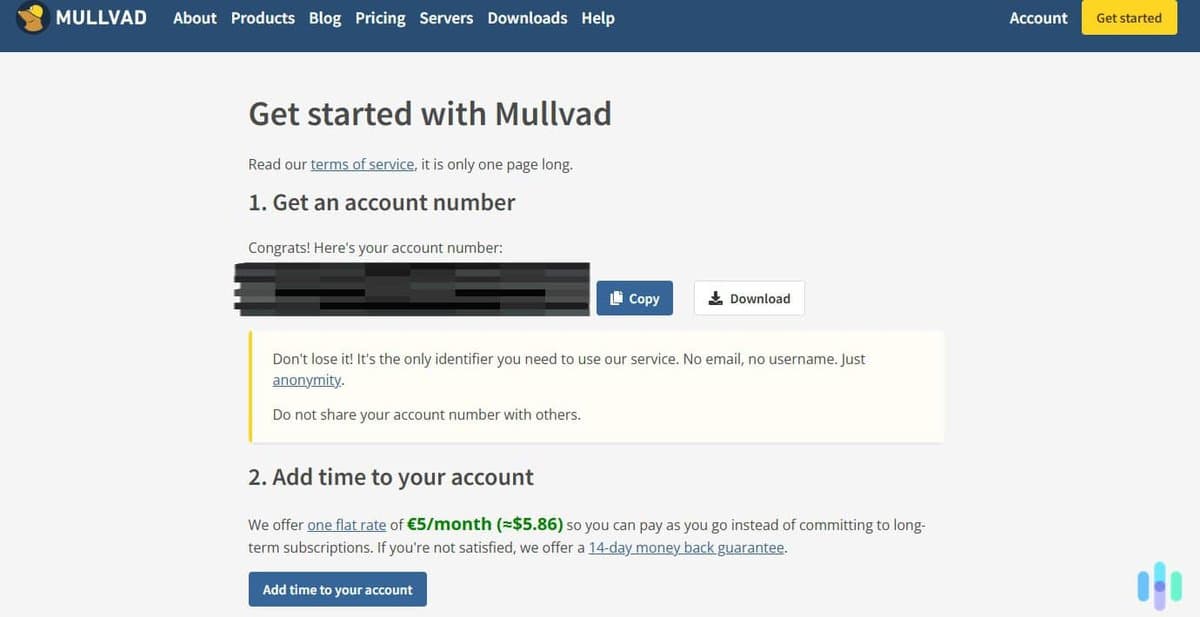
RTINGS ranked Mullvad as the best VPN for privacy after testing business practices, logging policies, and technical implementation RTINGS. Their unique account system uses randomly generated numbers instead of email addresses, making user identification impossible even for Mullvad themselves.
The audit data shows Mullvad's infrastructure is designed for anonymity from the ground up.
Servers run in RAM-only mode, wiping all data on reboot. They own their own hardware in many locations, eliminating third-party data access risks. Independent audits confirmed their no-logs implementation extends to DNS queries, connection timestamps, and bandwidth monitoring.
Mullvad's pricing model reflects their privacy philosophy: around €5 per month. No discounts for longer commitments, no user tracking for promotional offers, no data collection for billing optimization. You can literally mail them cash with your account number written on a piece of paper.
The trade-offs are straightforward. Mullvad doesn't optimize for streaming services (Netflix blocking is common), and their server network is smaller than mainstream providers. But for users prioritizing privacy over convenience, these limitations are features, not bugs. Less complexity means fewer attack vectors and more focus on core security implementation.
Check out Mullvad VPN →Best for Swiss Privacy Laws: Proton VPN

Proton VPN jumped to #1 in Red Sec Labs' 2026 privacy rankings Red Sec Labs, combining Switzerland's strong privacy laws with quantum-resistant encryption and transparent business practices. Their Secure Core architecture routes traffic through privacy-friendly countries before connecting to your final destination.
Switzerland's legal framework provides exceptional protection for Proton VPN users. The country's data protection laws don't require VPN providers to log user activity, and courts have consistently ruled in favor of privacy rights over surveillance demands. Proton's transparency reports show they've successfully challenged data requests that would compromise user privacy.
Technical implementation goes beyond basic privacy protection.
Proton VPN's NetShield feature blocks ads, trackers, malware, and phishing at the VPN level, reducing your digital footprint before data reaches your device. Their VPN Accelerator technology maintains connection speeds while preserving anonymity, addressing the traditional speed versus privacy trade-off.
The service includes advanced features like Tor over VPN, allowing access to onion sites without separate Tor browser configuration. P2P support works across all servers with no logging or bandwidth restrictions. Split tunneling lets you route specific applications through the VPN while others connect directly.
Free tier limitations include server restrictions and bandwidth caps, but paid plans start reasonably and include access to Proton's full privacy suite. The main downside is complexity (new users might find the feature set overwhelming compared to simpler privacy-focused alternatives).
Check out Proton VPN →Most Transparent Operations: IVPN
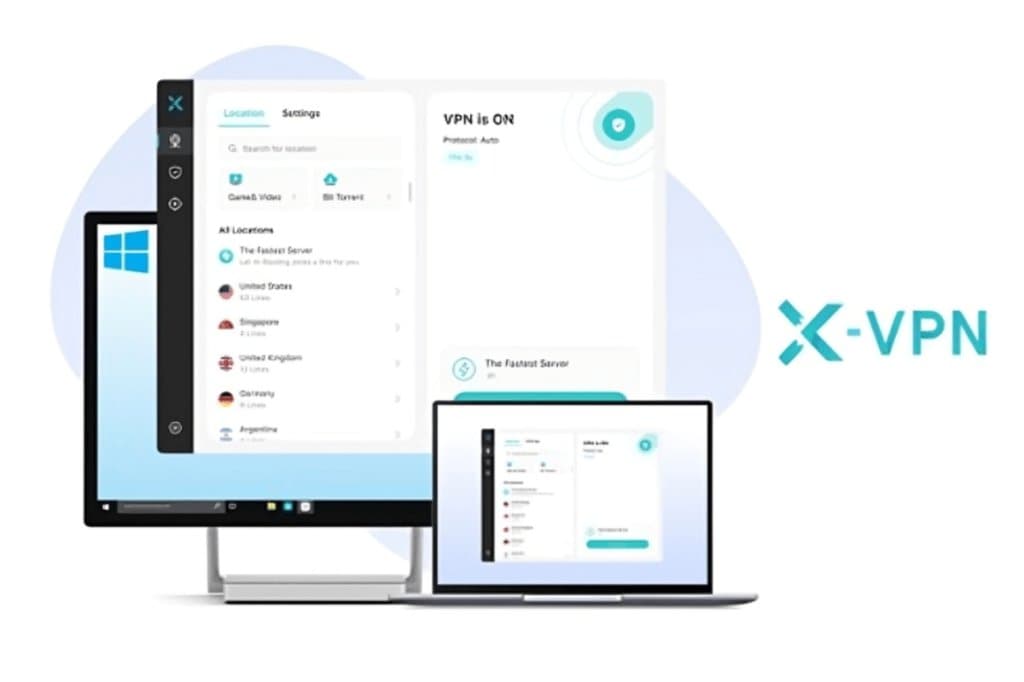
IVPN consistently appears in Reddit discussions alongside Mullvad as the gold standard for privacy transparency Reddit Security. Their annual transparency reports detail every government request, legal challenge, and infrastructure change, providing unprecedented visibility into VPN operations.
Gibraltar's jurisdiction offers unique advantages for privacy-focused VPN operations. Located outside the EU but maintaining modern data protection standards, IVPN can refuse data collection mandates that would be legally required elsewhere.
Their transparency reports show they've never complied with requests that would compromise user anonymity.
IVPN's technical approach emphasizes simplicity over feature bloat. WireGuard and OpenVPN protocols are implemented without modifications that could introduce vulnerabilities. Server infrastructure runs entirely on dedicated hardware with full disk encryption and automatic RAM clearing. No CDN services, no third-party analytics, no external dependencies that could leak metadata.
Account management reflects their privacy philosophy. Anonymous signup with cryptocurrency payments, no email verification required, and the ability to generate new account numbers for additional anonymity. They even provide guidance on operational security practices for users in high-risk situations.
Pricing reflects the overhead of privacy-focused operations, reflecting the overhead of privacy-focused operations. Server network coverage is limited compared to larger providers, and streaming service compatibility varies. But for users who prioritize verifiable privacy over convenience features, IVPN delivers exactly what their marketing promises.
Check out IVPN →Best Privacy Features on a Budget: Windscribe
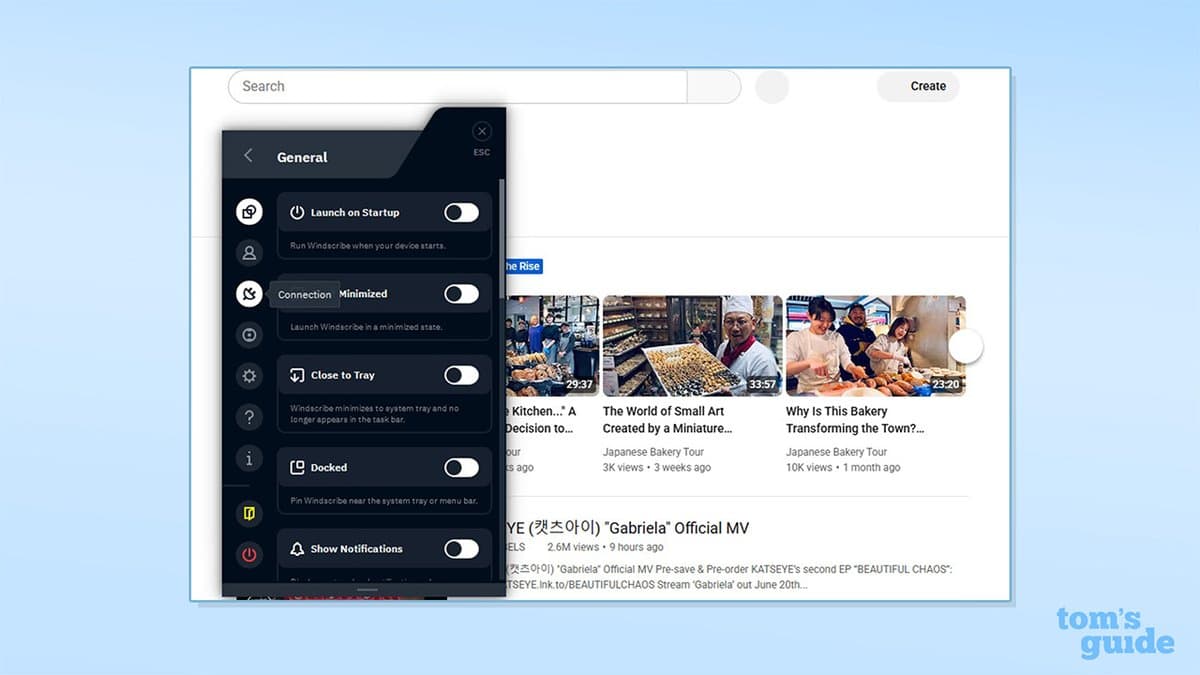
Windscribe earned recognition in RTINGS' top privacy-focused VPNs RTINGS while maintaining lower pricing than premium privacy providers. Their "Build a Plan" option lets you pay only for locations you actually use, reducing costs for privacy-conscious users with specific geographic requirements.
Canadian jurisdiction raises some privacy concerns compared to Switzerland or Sweden, but Windscribe's technical implementation compensates through strong security practices.
They've undergone independent security audits, maintain a no-logs policy verified through legal challenges, and provide detailed technical documentation about their privacy protections.
The ROBERT ad and tracker blocking service operates at the DNS level, filtering malicious content before it reaches your device. Split tunneling works on all major platforms, allowing precise control over which applications route through the VPN. Their browser extension provides WebRTC leak protection and location spoofing for additional privacy layers.
Windscribe's pricing model accommodates different privacy budgets. The free tier includes 10GB monthly bandwidth with access to privacy-focused servers, while paid plans offer unlimited usage and advanced features. Custom plans allow you to pay only for specific locations, making it cost-effective for users who only need coverage in specific countries.
Speed performance varies by location, and customer support response times lag behind premium providers. Some advanced privacy features require configuration knowledge that might challenge less technical users. But for budget-conscious privacy advocates, Windscribe delivers verified protection without premium pricing.
Check out Windscribe →Best for Anonymous Payments: TunnelBear
TunnelBear's annual security audits from Cure53 set the standard for VPN transparency, with detailed public reports covering everything from infrastructure security to application code review PCMag. Their approach to user anonymity includes multiple payment options designed to disconnect financial identity from VPN usage.
The company's acquisition by McAfee raised privacy community concerns, but TunnelBear has maintained independent operations and transparent audit practices. Their no-logs policy underwent legal testing during government data requests, with court documents confirming they had no user activity data to provide.
TunnelBear's GhostBear feature obfuscates VPN traffic to bypass deep packet inspection in restrictive networks. VigilantBear acts as a kill switch, blocking internet access if the VPN connection fails. These features work reliably across all supported platforms, addressing common privacy failure points.
The service emphasizes accessible design over technical complexity, making it approachable for users who want privacy protection without extensive configuration. Unlimited simultaneous connections allow protection across all your devices under a single account. Customer support includes privacy-focused guidance for users in high-surveillance environments.
Pricing sits in the mid-range category, more expensive than budget providers but less than premium privacy services. Server network coverage focuses on major locations rather than extensive global presence. Streaming service compatibility is inconsistent, reflecting their focus on privacy over entertainment access.
Check out TunnelBear VPN →Best for Advanced Privacy: NymVPN
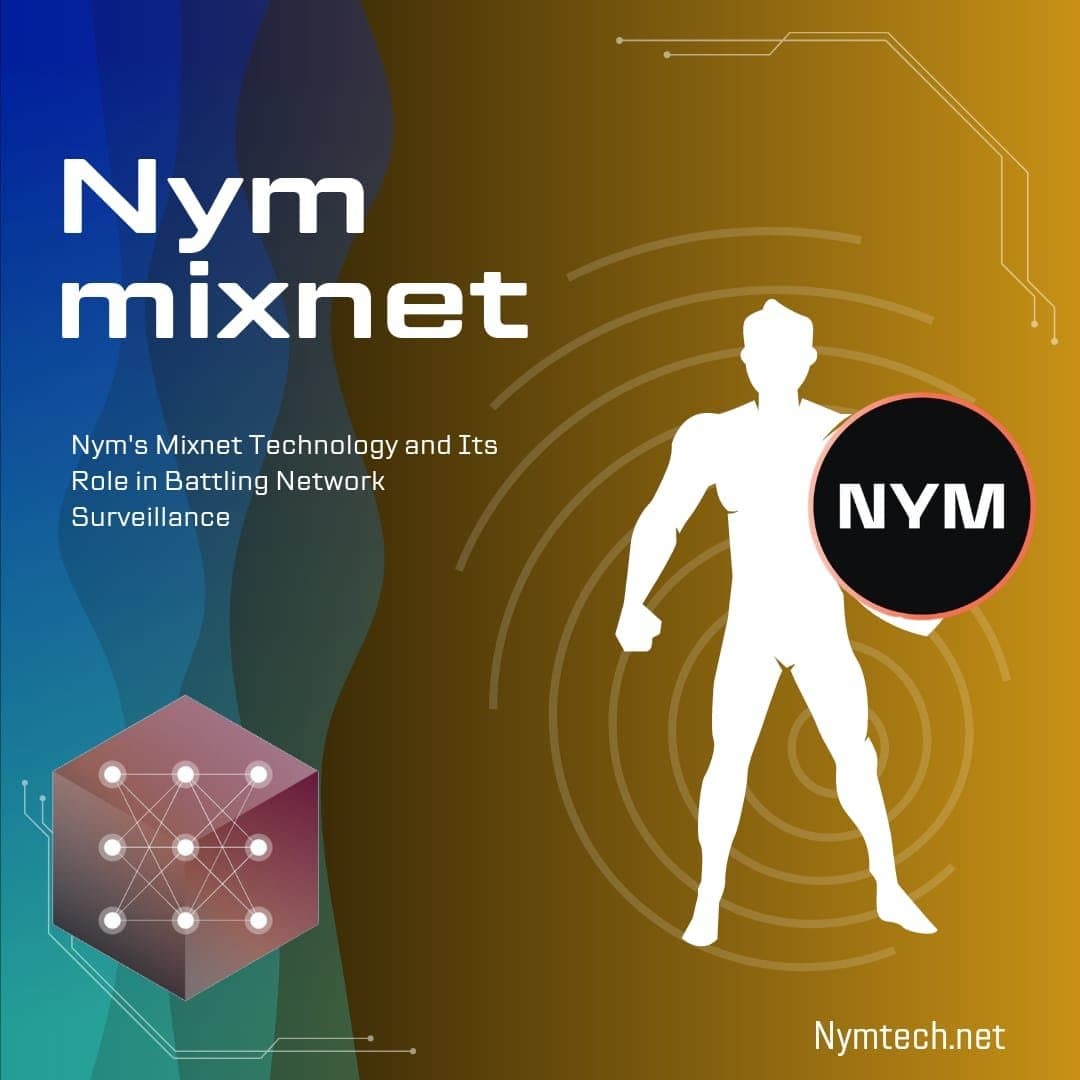
NymVPN represents the cutting edge of privacy technology, implementing mixnet architecture that provides stronger anonymity guarantees than traditional VPN protocols. By routing traffic through multiple mix nodes that add random delays and packet mixing, NymVPN protects against traffic analysis attacks that can compromise other VPN services.
The mixnet approach addresses metadata privacy: the information about your communications that reveals patterns even when content is encrypted.
Traditional VPNs hide your IP address but can't prevent timing correlation attacks. NymVPN's architecture makes it computationally infeasible to correlate input and output traffic, providing mathematical privacy guarantees.
Technical implementation is complex but transparent. The protocol specification is published openly, mixnet infrastructure is independently operated, and the client software is open source. Academic research validates the security properties, and the project has received funding from privacy-focused organizations.
The trade-off is performance. Mixnet routing adds latency and reduces throughput compared to direct VPN connections. Current implementation focuses on privacy over speed, making it suitable for users who prioritize anonymity over convenience. Streaming and gaming applications may not perform well through mixnet routing.
NymVPN targets advanced users who understand the privacy benefits and accept performance limitations. The service costs more than traditional VPNs, reflecting the computational overhead of mixnet operations. But for users facing sophisticated surveillance threats, the additional anonymity protection may justify the premium.
Check out NymVPN →Privacy-Focused Alternative: Hide.me VPN
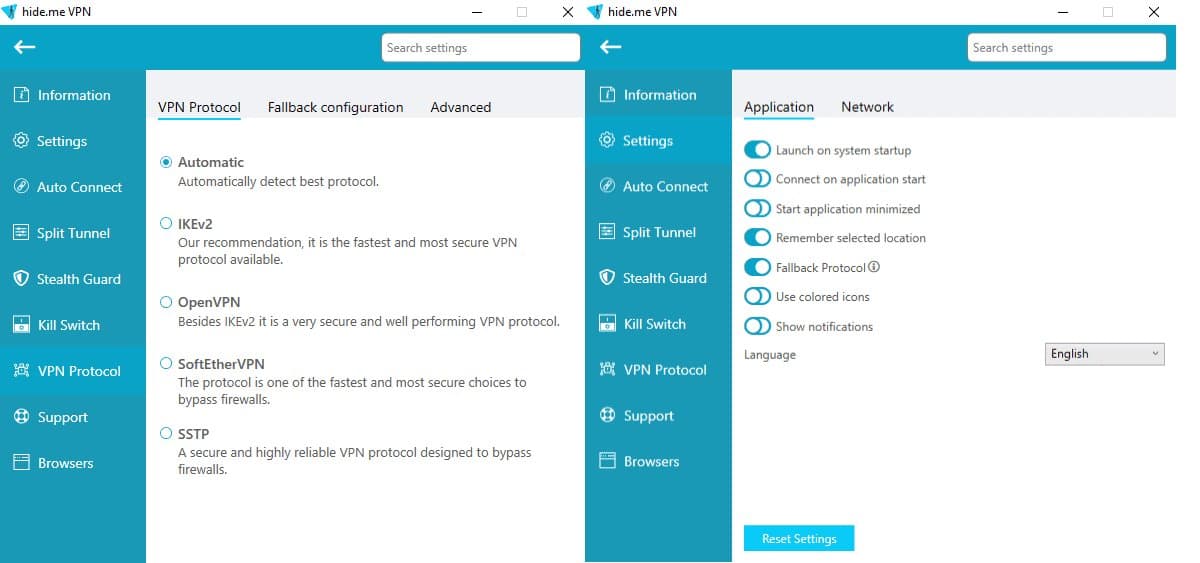
Hide.me VPN earned inclusion in Wirecutter's tested VPN services list Wirecutter, offering privacy-focused features with transparent business practices. Their Malaysian jurisdiction provides privacy advantages while maintaining modern digital infrastructure.
Malaysia's data protection laws don't require VPN providers to log user activity, and the country isn't part of international surveillance agreements.
Hide.me's privacy policy explicitly states they don't monitor, log, or store user activity, with technical architecture designed to make logging impossible rather than simply choosing not to log.
The StealthVPN protocol obfuscates VPN traffic to appear as regular HTTPS connections, bypassing VPN detection and blocking systems. Split tunneling works on all platforms, allowing precise control over which applications route through privacy protection. Dynamic port selection makes it harder for network administrators to identify and block VPN traffic.
Free tier includes 10GB monthly bandwidth with access to privacy-focused servers in Netherlands and Singapore. Paid plans remove bandwidth restrictions and add servers in privacy-friendly jurisdictions. Pricing remains competitive with other mid-tier privacy providers while maintaining feature parity.
Customer support includes privacy guidance for users in restrictive environments. Documentation covers operational security practices beyond basic VPN usage. The service attracts users who want verified privacy protection without the premium pricing of specialized privacy providers.
Check out Hide.me VPN →Budget Privacy Option: Bitdefender Premium VPN
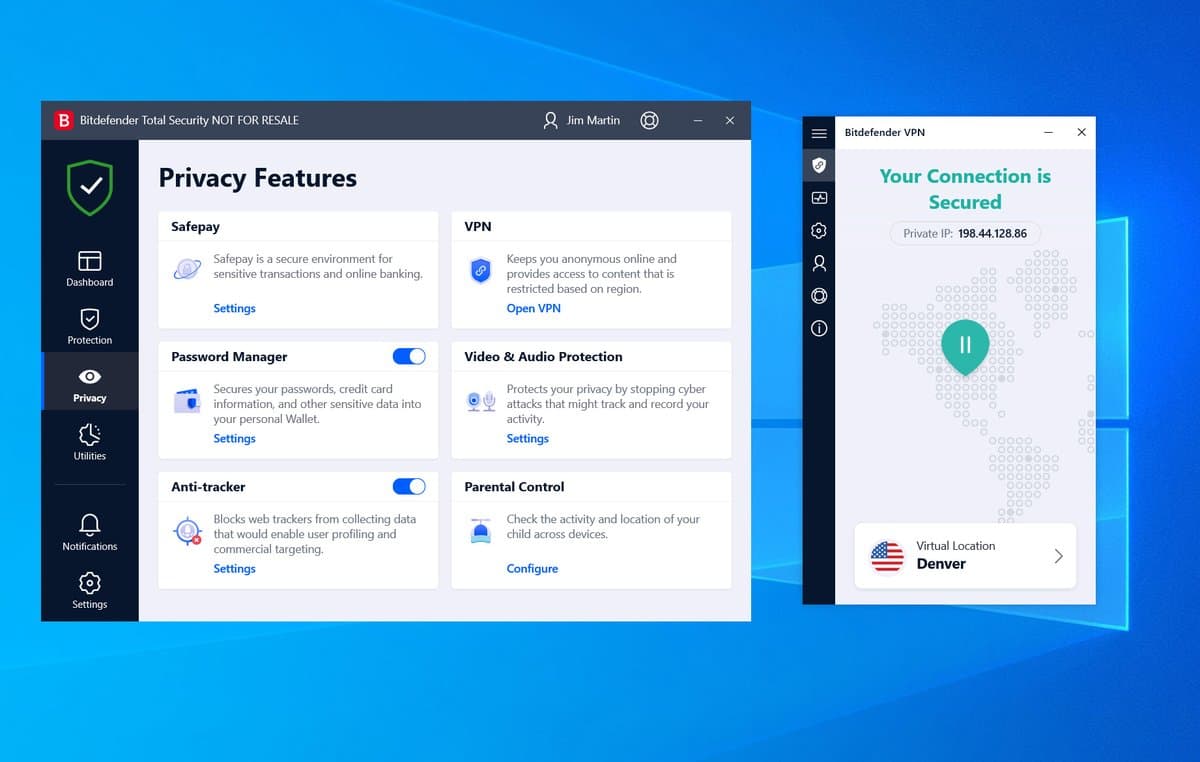
Bitdefender Premium VPN made Wirecutter's evaluation criteria for privacy-focused VPN services Wirecutter, offering privacy protection at affordable pricing. Their integration with Bitdefender's security suite provides additional privacy layers beyond basic VPN functionality.
The service runs on Hotspot Shield's infrastructure but operates under Bitdefender's privacy policies and Romanian jurisdiction. Romania's data protection laws align with EU privacy standards while maintaining independence from Five Eyes surveillance agreements. Bitdefender's reputation in cybersecurity adds credibility to their privacy claims.
Automatic Wi-Fi protection activates VPN encryption on unsecured networks, preventing common privacy vulnerabilities in public spaces.
Ad and tracker blocking operates at the VPN level, reducing digital fingerprinting before content reaches your device. DNS leak protection ensures your browsing queries don't bypass VPN encryption.
The service includes access to servers optimized for privacy rather than maximum speed. Connection protocols prioritize security over performance, making it suitable for users who want protection without premium pricing. Integration with Bitdefender's other security tools provides wide-ranging privacy coverage.
Limitations include smaller server network compared to dedicated VPN providers and variable performance across different locations. Customer support focuses on Bitdefender's broader security products rather than specialized VPN privacy guidance. But for budget-conscious users seeking verified privacy protection, the service delivers solid value.
Check out Bitdefender Premium VPN →Common Privacy Mistakes to Avoid
Trusting Marketing Claims Without Audit Verification
The biggest privacy mistake is choosing VPN providers based on marketing promises rather than independently verified practices. Companies can claim "military-grade encryption" and "zero logs" without technical implementation that actually delivers those protections.
Look for providers with recent security audits from reputable firms like Cure53, Trail of Bits, or Assured AB. Read the actual audit reports, not just marketing summaries. Check if audits cover the specific privacy claims you care about. Some audits only evaluate application security while ignoring logging practices or server infrastructure.
Transparency reports show how providers handle government data requests, legal challenges, and law enforcement cooperation.
Providers that refuse to publish transparency reports or provide vague summaries might not be protecting your privacy as claimed.
Using VPNs with Known Logging Issues
Several popular VPN providers have been caught logging user data despite no-logs marketing claims. Some maintain connection logs "for troubleshooting," others store session data "temporarily," and a few have been exposed through legal cases or data breaches.
Research your provider's history with logging controversies. Check if they've undergone independent no-logs audits that verify their claims. Avoid providers owned by companies with histories of data collection or questionable privacy practices.
Ignoring Jurisdiction and Legal Framework
The country where your VPN operates determines what data they can be forced to collect and share.
Providers in countries with mandatory data retention laws might be required to log user activity regardless of their preferred privacy policies.
Understand the legal implications of your provider's jurisdiction. Research whether they've successfully challenged data collection mandates or if they've been forced to comply with surveillance requests. Consider providers in countries with strong privacy protections and no mandatory logging requirements.
Quick Summary: If You're in a Hurry
For maximum privacy protection, choose Mullvad VPN for verified anonymity practices, Proton VPN for Swiss legal protection, or IVPN for transparent operations. All have undergone independent security audits that confirm their privacy claims, operate in privacy-friendly jurisdictions, and provide technical documentation about their security implementations.
Budget-conscious users should consider Windscribe, which offers verified privacy protection at lower costs than premium providers. Avoid VPN services that refuse independent audits, operate in surveillance-friendly jurisdictions, or have histories of logging controversies.
Research shows that analyzing VPN security audits and privacy practices reveals the current state of independently verified privacy protection. The audit data shows the truth, even when marketing promises don't.
Get our best picks delivered weekly
Reviews, deals, and guides. No spam.